Surfcamp Peniche Portugal
Small Group Surf Week Peniche / Baleal
Personal & relaxed
Shared house near the ocean
7 Nights | 5 Days Surf lessons
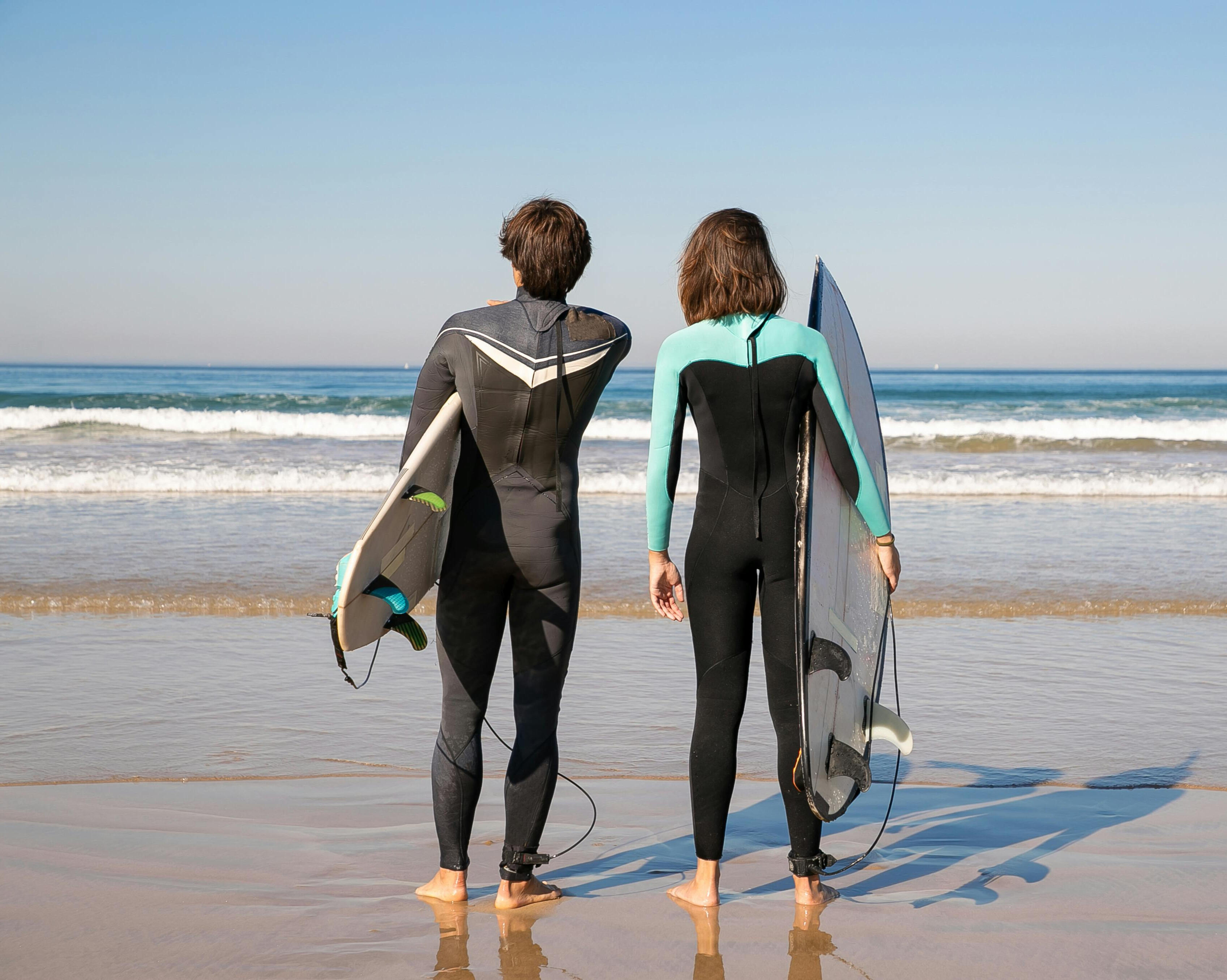
EARLY SALE FOR APRIL IS LIVEJoin our small surf group in Peniche and spend a week with great people.✓ 7 nights accommodation
✓ 5 days of surf lessons
✓ Surf equipment included
✓ Small group of 6–8 people
✓ Suitable for beginners & intermediate surfers
✓ Peniche & Baleal, PortugalAmazing Breakfast included.
This is a small, personally hosted surf week.
I’ll be there with the group, surf together, eat together and make sure everything runs smoothly.
What’s included?
– 7 nights accommodation in a shared surf house
– 5 surf days with a local surf school
– Surfboard & wetsuit
– Transport to the best surf spots
– Small group (max. 6–8 people)
– Personal, relaxed atmosphere
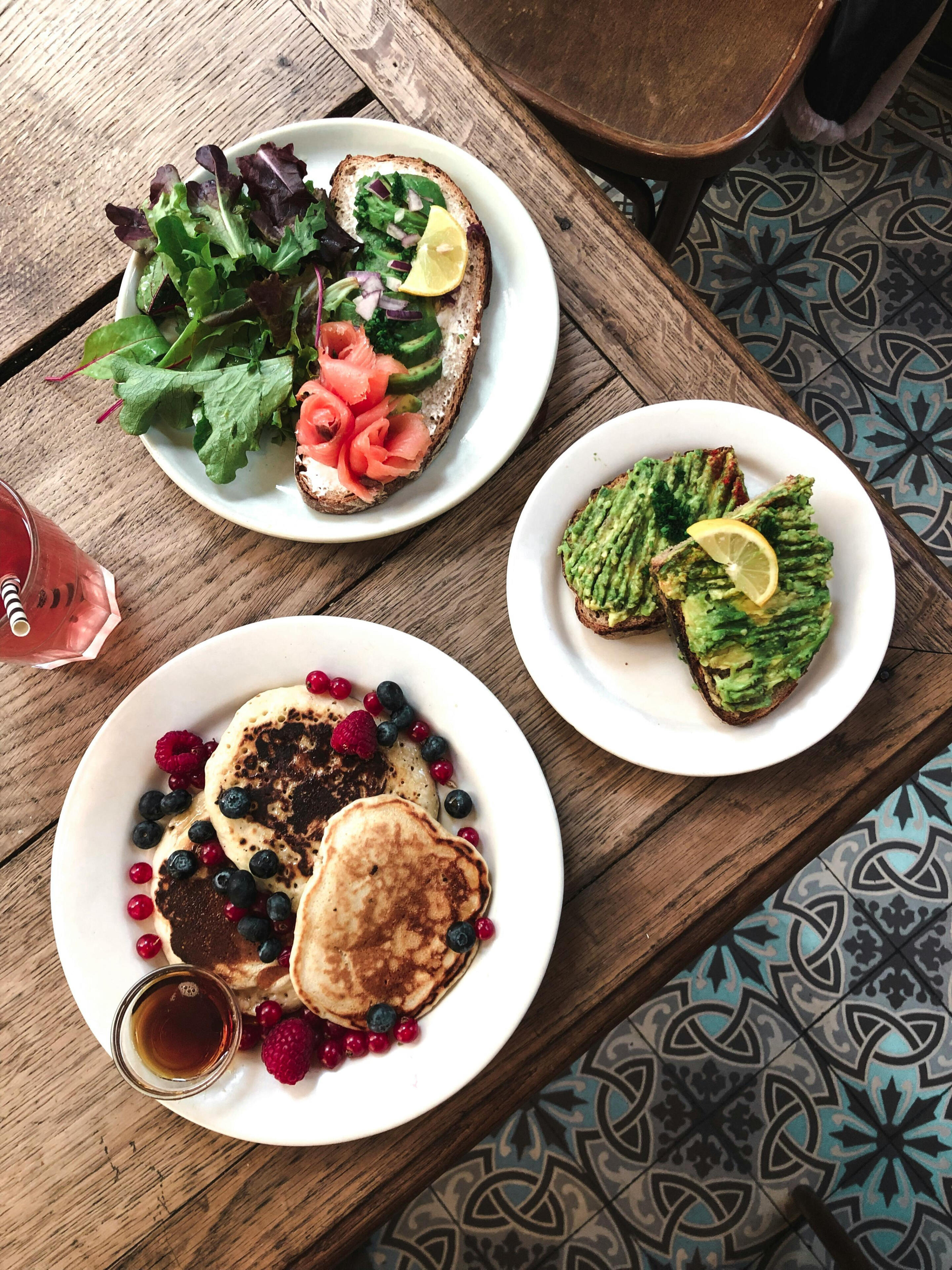
– Delicious breakfasts
This is for you if:
– You’re a beginner or early intermediate
– You want a relaxed, social surf experience
– You don’t want big camps or party hostels
– You’re traveling solo or as a couple
Or ask me just a quick question on Whats App
How a week looks like?
Surf, eat, relax, repeat.
We surf on the best days, explore the area,
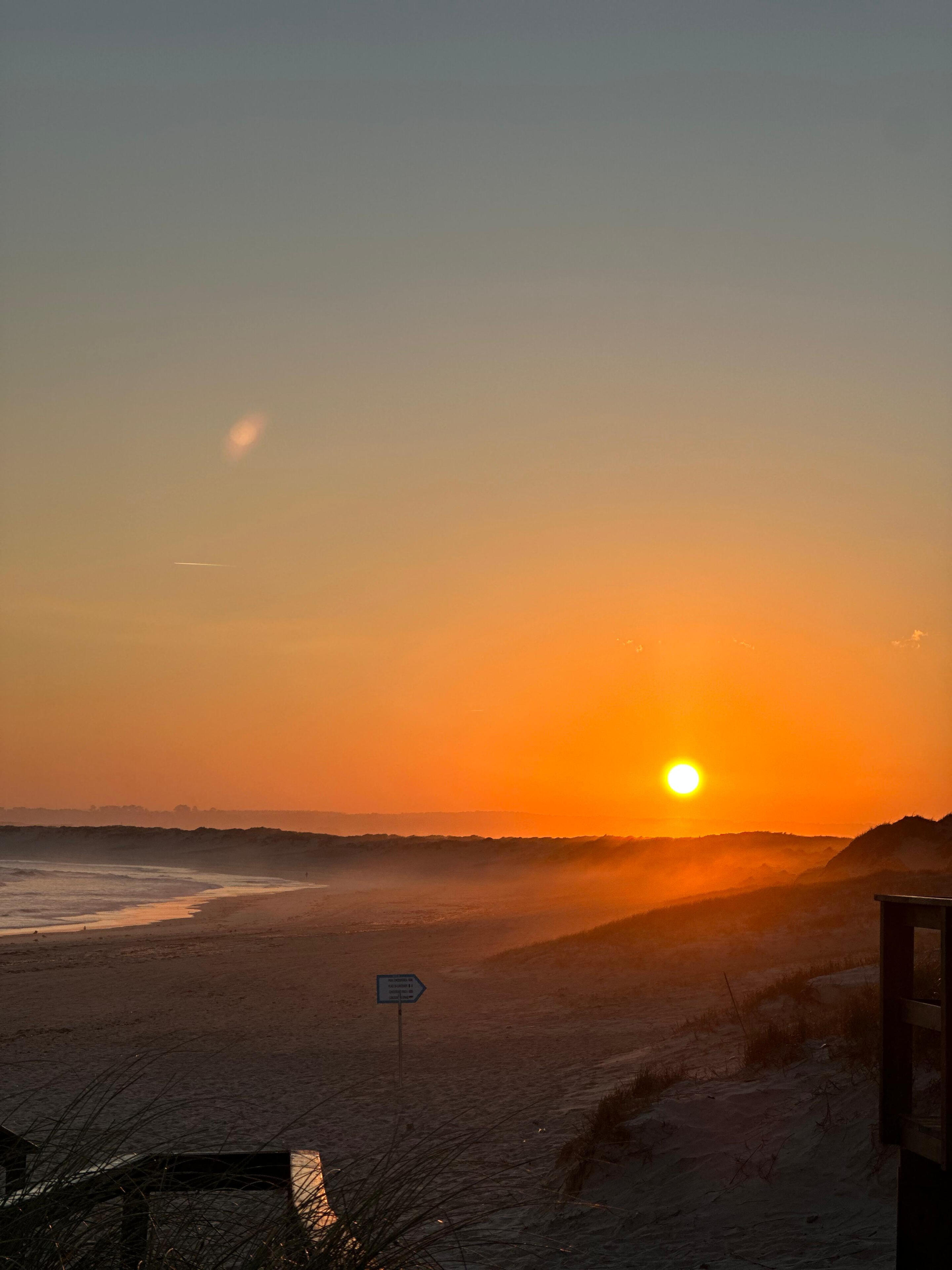
and enjoy slow mornings and sunset evenings together.
Boards and suits can be used all week even in the free times between classes or activities.
Dates / Availability
April 2027 - limited spotsHouse with ocean view, 10 minutes walk to the beach.Arrival and departure will be on Saturday.If you’re interested, get in touch to receive all details.
PRESALE for APRIL is LIVE,
messsage me for the exact dates!
No booking yet – just a quick chat.
Why Peniche?
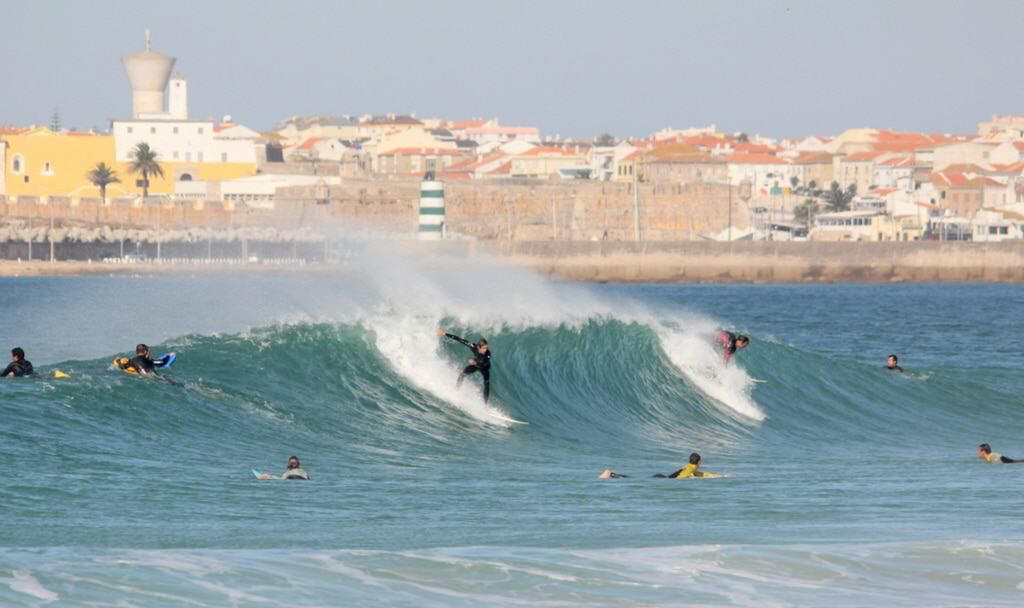
Peniche is one of Europe's most
consistent and beginner friendly surf destinations. Located just north of Lisbon, the peninsula offers beaches facing different directions, which means there are almost always
surfable waves and instructors can
choose the safest, most suitable
conditions each day.
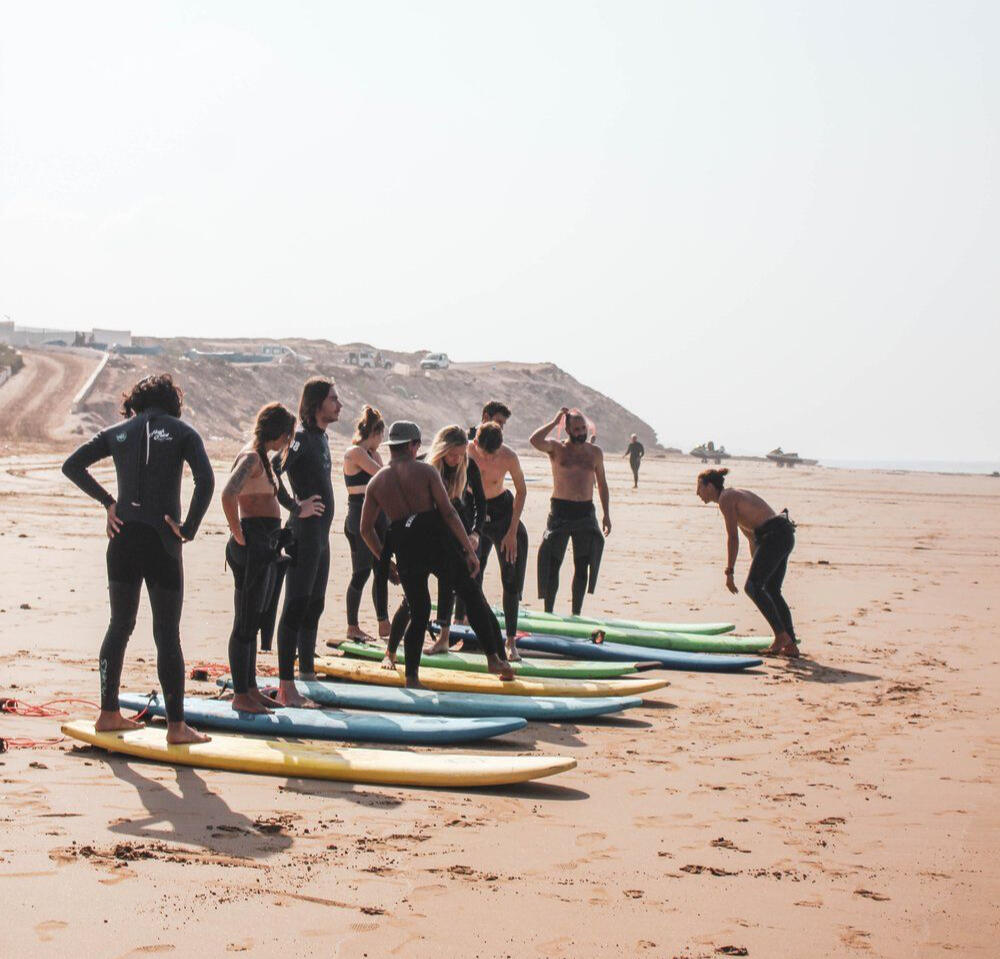
With sandy beach breaks, soft waves for learning, and a relaxed local surf atmosphere,
Peniche is the perfect spot for
beginner surfers who want to
improve, connect, and enjoy a laid-
back week by the Atlantic. Especially
in the calmer, uncrowded vibe of
spring or autumn.
How to get there?
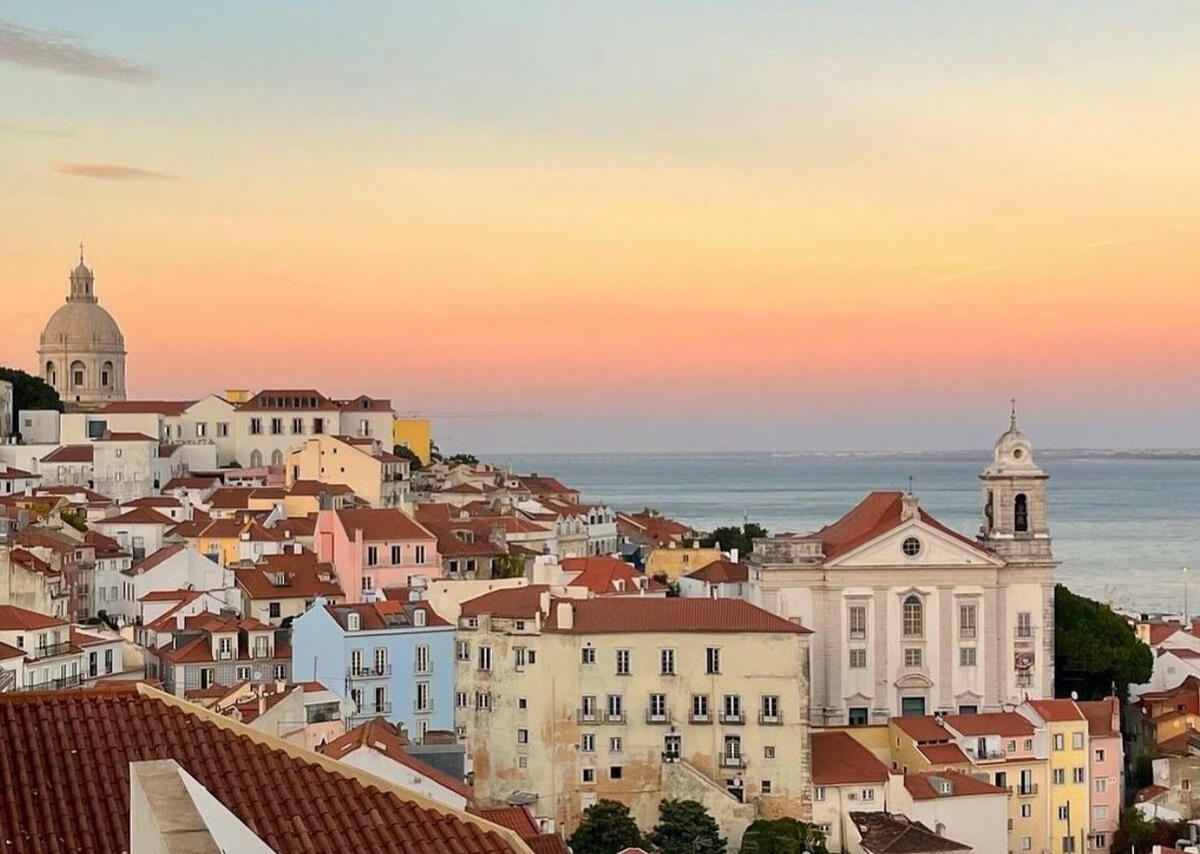
Fly into Lisbon (LIS), the closest international airport to Peniche. There are regular direct
flights from major German cities such as Hamburg, Berlin, Frankfurt, Munich, and Düsseldorf.
From Lisbon to Peniche (approx. 1–1.5 hours) you have two easy options:
Bus (budget-friendly, around 1.5–2 hours) around 10 €
Uber from Lisbon Airport to Peniche usually takes around ~1 hour 10 min – 1 h 20 min and
will coast around 50-70€
We recommend arriving on Saturday before 6 PM for a smooth check-in and welcome evening.

Frequently asked questions
FAQ
Can I travel solo?Absolutely. Many participants join solo, and the week is designed to create a relaxed, social atmosphere where it’s easy to connect with othersDo I need previous experience?No. This week is beginner-friendly and also suitable for early intermediate surfers who want to improve their fundamentals.What is the weather like?Peniche offers mild spring temperatures, cool sunny summers, regular sunshine, and consistent waves. The water
is mostly fresh, but we provide full wetsuits to keep you comfortable.Can I make my own plans?Yes. While we offer daily surf sessions and optional group activities, there is plenty of free time to relax, explore, or enjoy time on your own.What should I pack?Swimwear, a beach towel, comfortable clothes, a hoodie or light jacket for evenings, sunscreen, and personal toiletries. All surf equipment is provided.
About the host
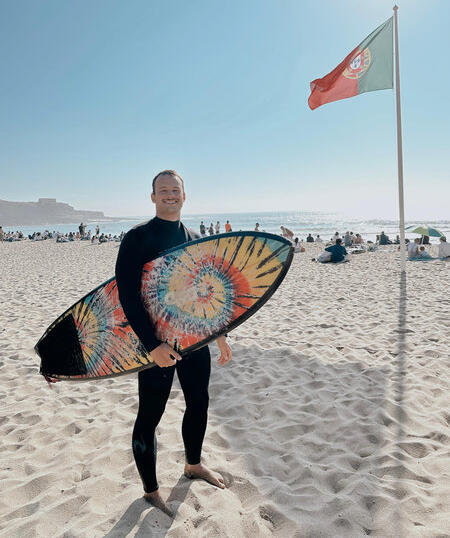
Hey, my name is Tim i am 27 years old and i was born in Bremen (Germany).
About eight years ago, I joined a surf camp for the first time, and it completely changed my direction.
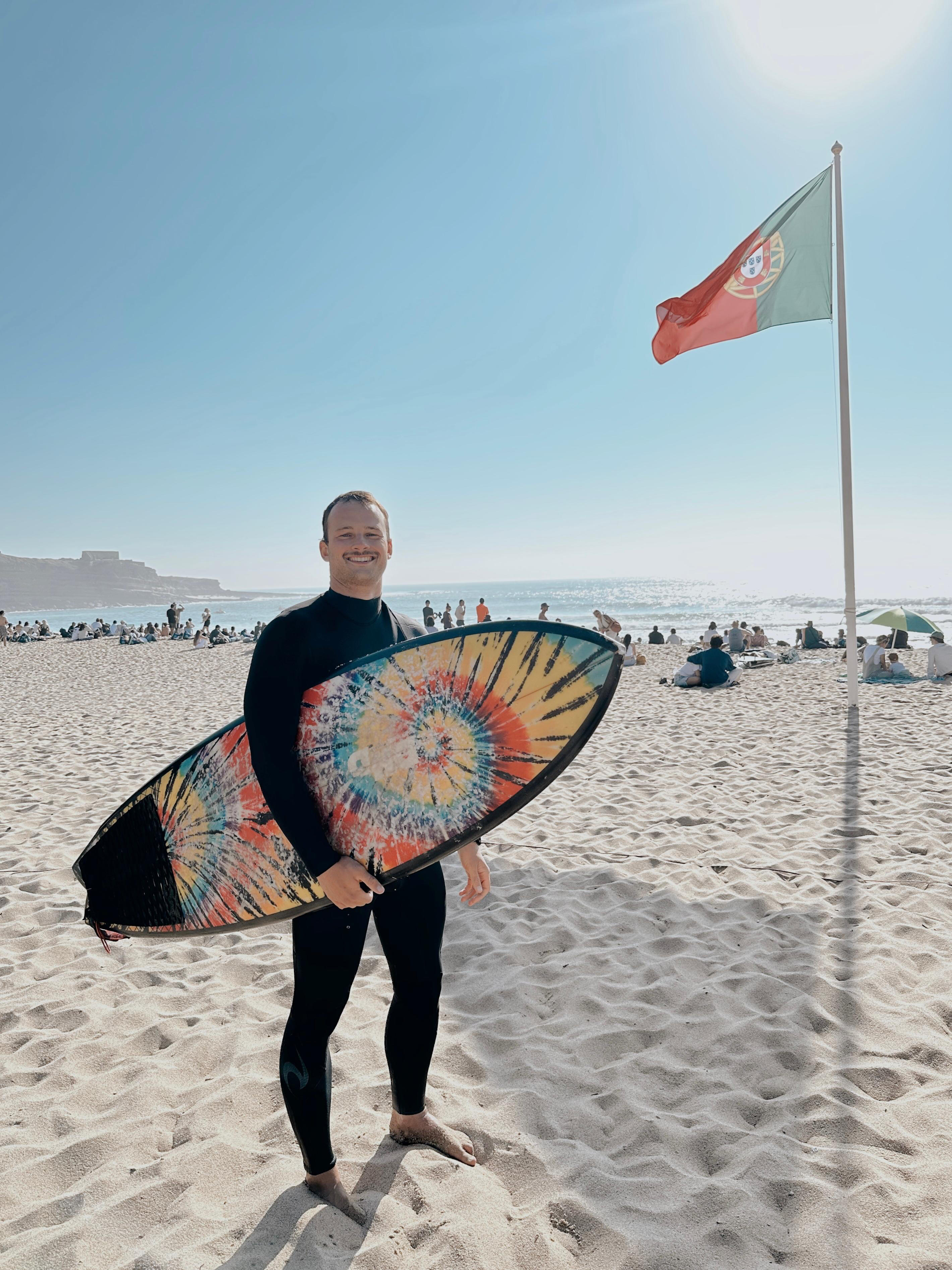
What started as curiosity quickly turned into a deep passion. Not long after, I bought my own board and traveled around Australia, surfing wherever I could.
Since then, I’ve chased waves across Europe and through South America, always
combining my love for travel, movement, and the ocean.
Surfing isn’t just a hobby for me, it’s something that grounds me, challenges me, and constantly pushes me to grow.
I’m naturally driven, competitive in a healthy way, and always motivated to improve,
and I love bringing that energy into a group.
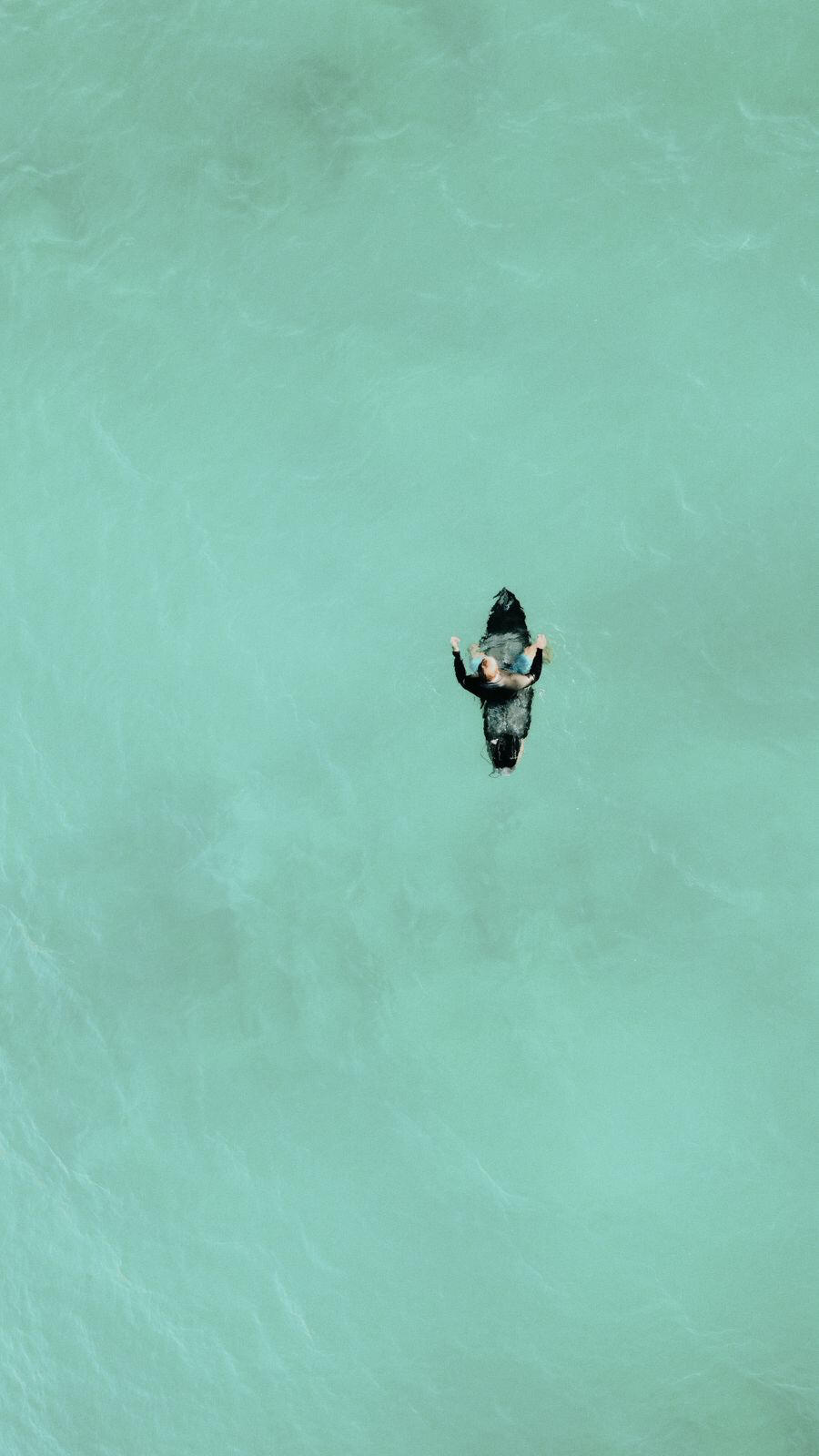
I enjoy pushing myself, but I also genuinely
enjoy helping others step outside their comfort zone and experience their own progress.
This surf week is more than just a trip. It’s part of a bigger vision for me: building
something meaningful around what I truly love and sharing that passion with others.
You can expect a relaxed but motivated atmosphere, good energy, honest support, and someone who’s fully invested in making this week a memorable experience for everyone.
Peniche Guide
Peniche and Baleal offer much more than just surfing. Some of our favorite local spots include cozy cafés like The Base Café in Baleal, sunset walks around Baleal Island and ocean viewpoints near Supertubos Beach.

The area is perfect for slow mornings, post-surf coffees and relaxed evenings by the Atlantic. For day trips, Ericeira and the historic town of Óbidos are both worth visiting while staying in the region.
Who is this trip for?
This surf week is designed for adults aged roughly 25 – 40 who want to combine surf
progression with a relaxed and social atmosphere.
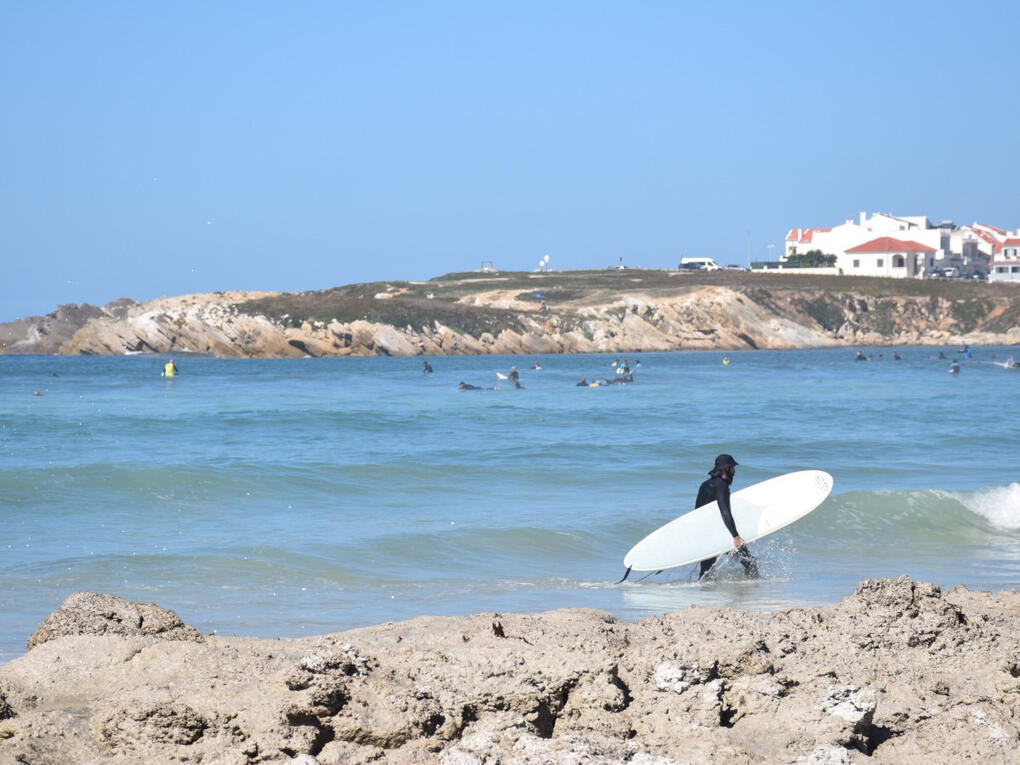
It’s ideal for:
Beginners and early intermediate surfers Solo travelers looking to connect with like-minded people
Couples wanting to share an active experience Anyone seeking a balanced mix of surf, free time, and community This is not a party-focused surf camp or a high-energy 18–20 backpacker trip. The
vibe is laid-back, supportive, and growth-oriented, with shared breakfasts, meaningful conversations, and early mornings in the ocean.
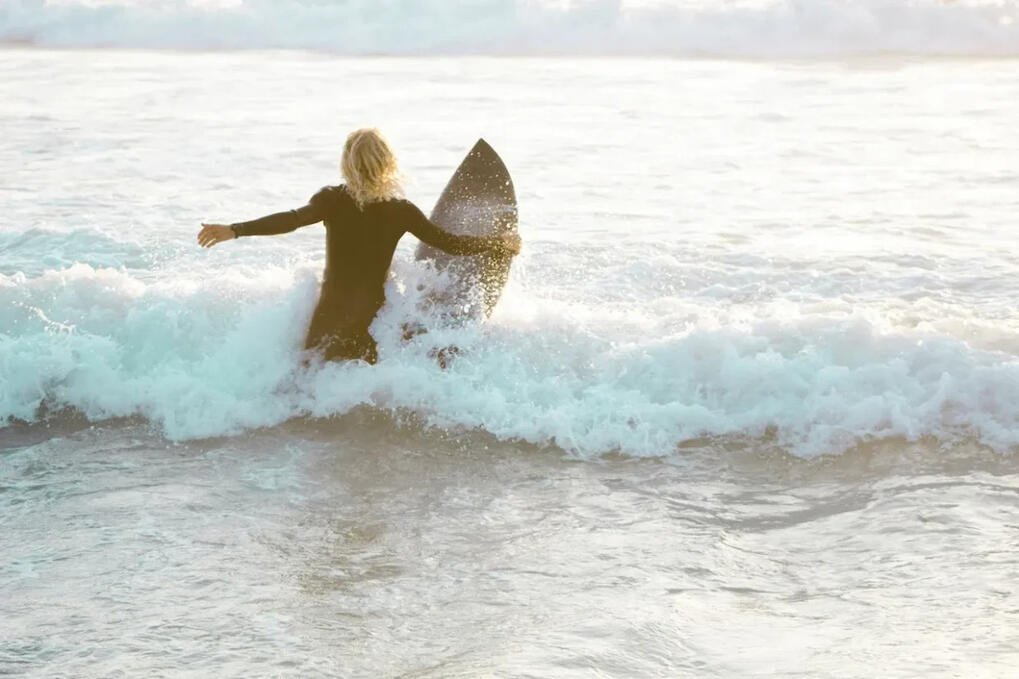
September in Peniche offers consistent waves, fewer crowds, and a more authentic surf atmosphere. The water is fresh, the lineups are quieter, and the focus is on real progress, not peak-season chaos.
If you’re open-minded, motivated to learn, and excited to spend a week by the Atlantic with good people, this trip is for you!
Blog
Peniche vs Ericeira for Beginner Surfers
If you're planning your first surf trip to Portugal, you'll probably compare Peniche and Ericeira at some point. Both places are famous surf towns and both are great in different ways, but for beginners I honestly think Peniche has a pretty big advantage.
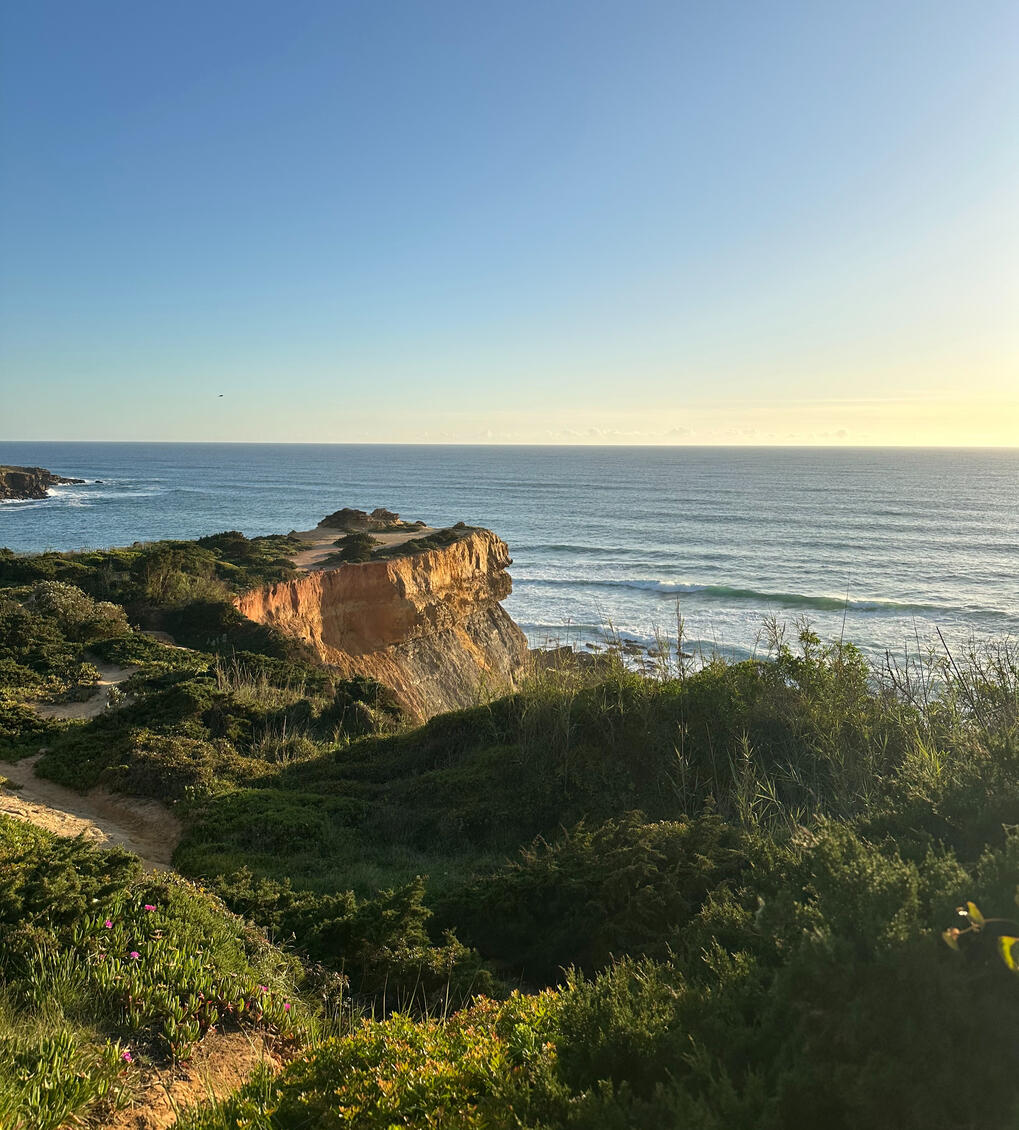
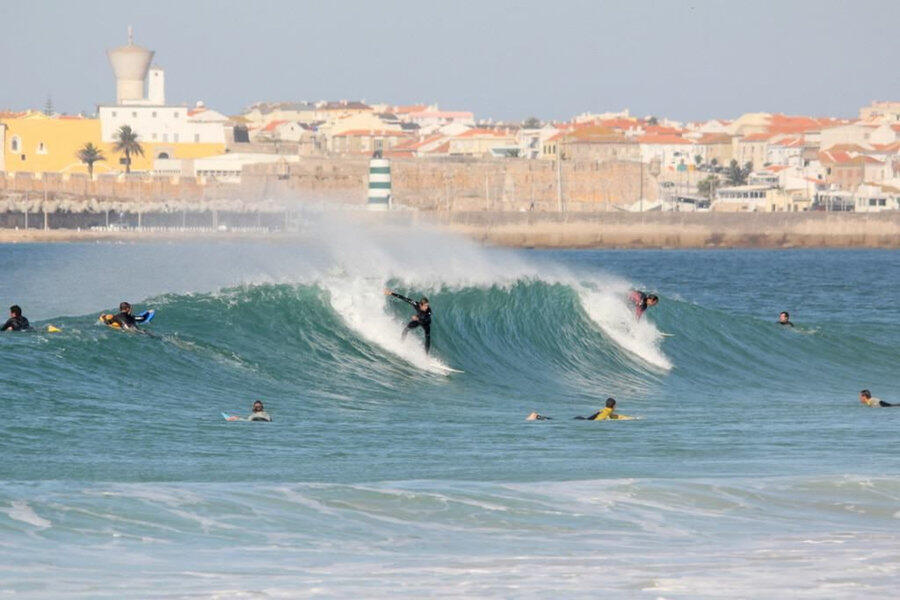
The biggest reason is the variety of beaches and conditions. Around Peniche and Baleal there are multiple surf spots in different directions, which means you can often still find beginner friendly waves even if the wind or swell changes. That’s one of the reasons so many surf schools operate there. If one beach is too messy, too big or too crowded, there’s usually another option nearby.For beginners this matters a lot more than people think. Progress usually comes from getting many comfortable sessions, not from surfing perfect waves once.
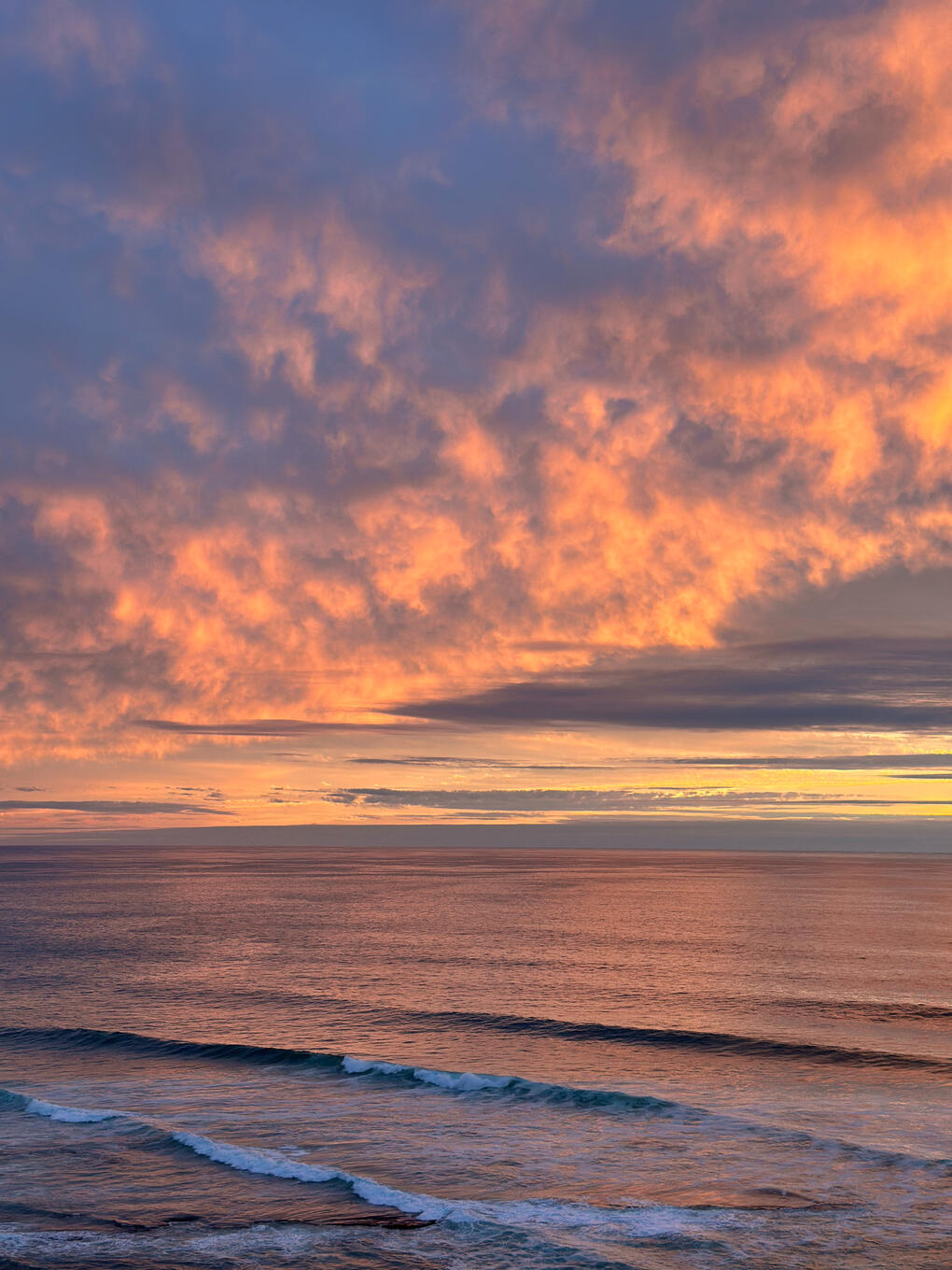
Another big difference is the type of surf spots. Peniche has a lot of sand bottom beach breaks, especially around Baleal. These waves are often softer, more forgiving and generally less intimidating for people who are still learning. Wipeouts usually feel less sketchy and there’s often more room in the lineup compared to smaller reef setups.Ericeira has an amazing surf culture and the town itself is probably more aesthetic and lifestyle focused. There are great cafés, beautiful viewpoints and a strong surf identity there. But many of the famous waves around Ericeira are reef breaks, which can feel more technical and intimidating for beginners, especially on bigger days or when the crowds are heavy.
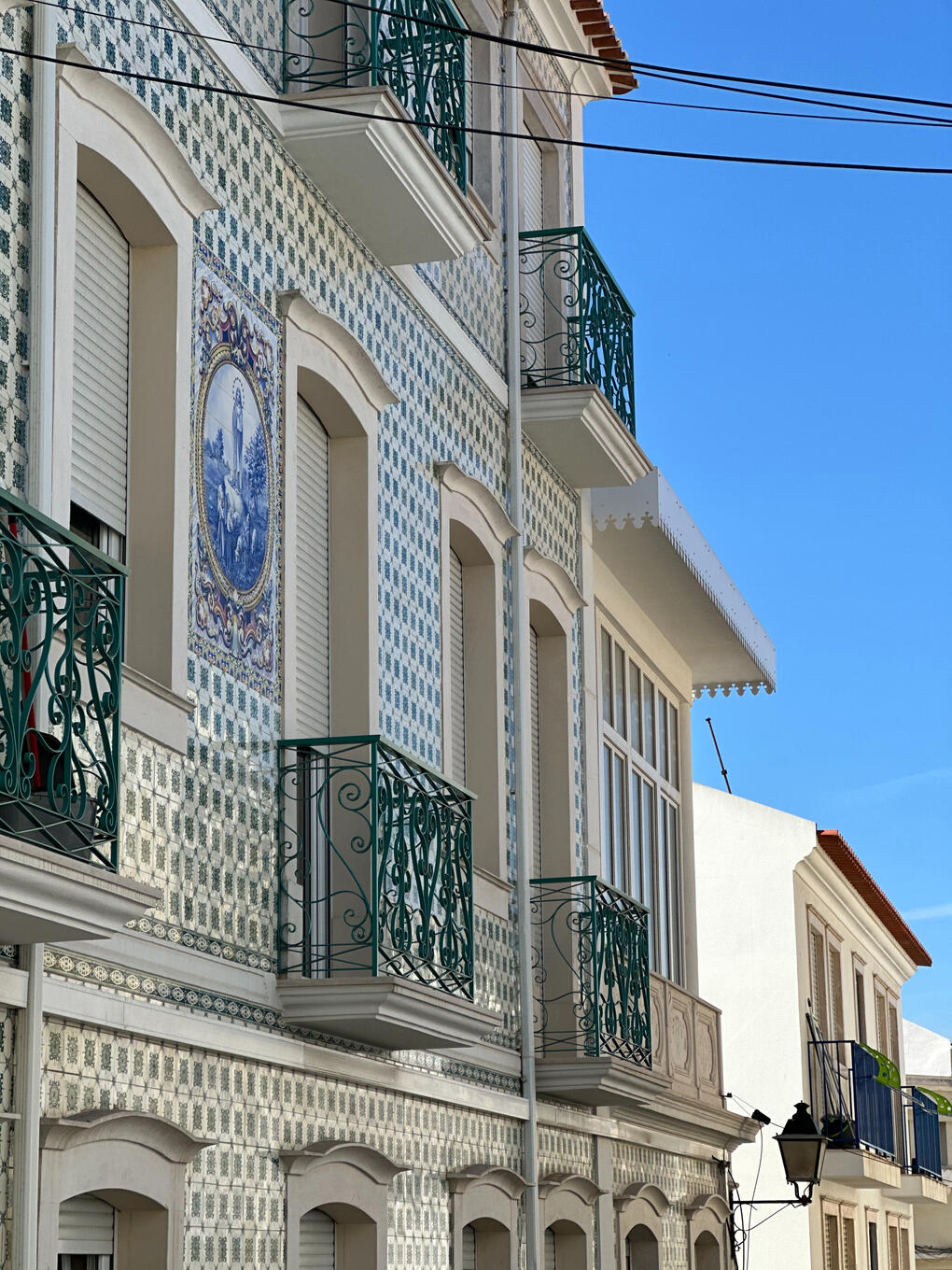
That doesn’t mean beginners shouldn’t go to Ericeira. It’s still an incredible place and there are beginner friendly days there too. But if your main goal is a beginner surf week with the highest chance of getting consistent, manageable conditions, Peniche is usually the easier option.The crowd situation also feels different. Around Ericeira, surfers often gather around a smaller number of well known spots, while Peniche spreads people across many different beaches and peaks. Especially in Baleal, the atmosphere often feels more relaxed and beginner friendly, which is one of the reasons so many solo travelers and first time surfers end up staying there longer than planned.
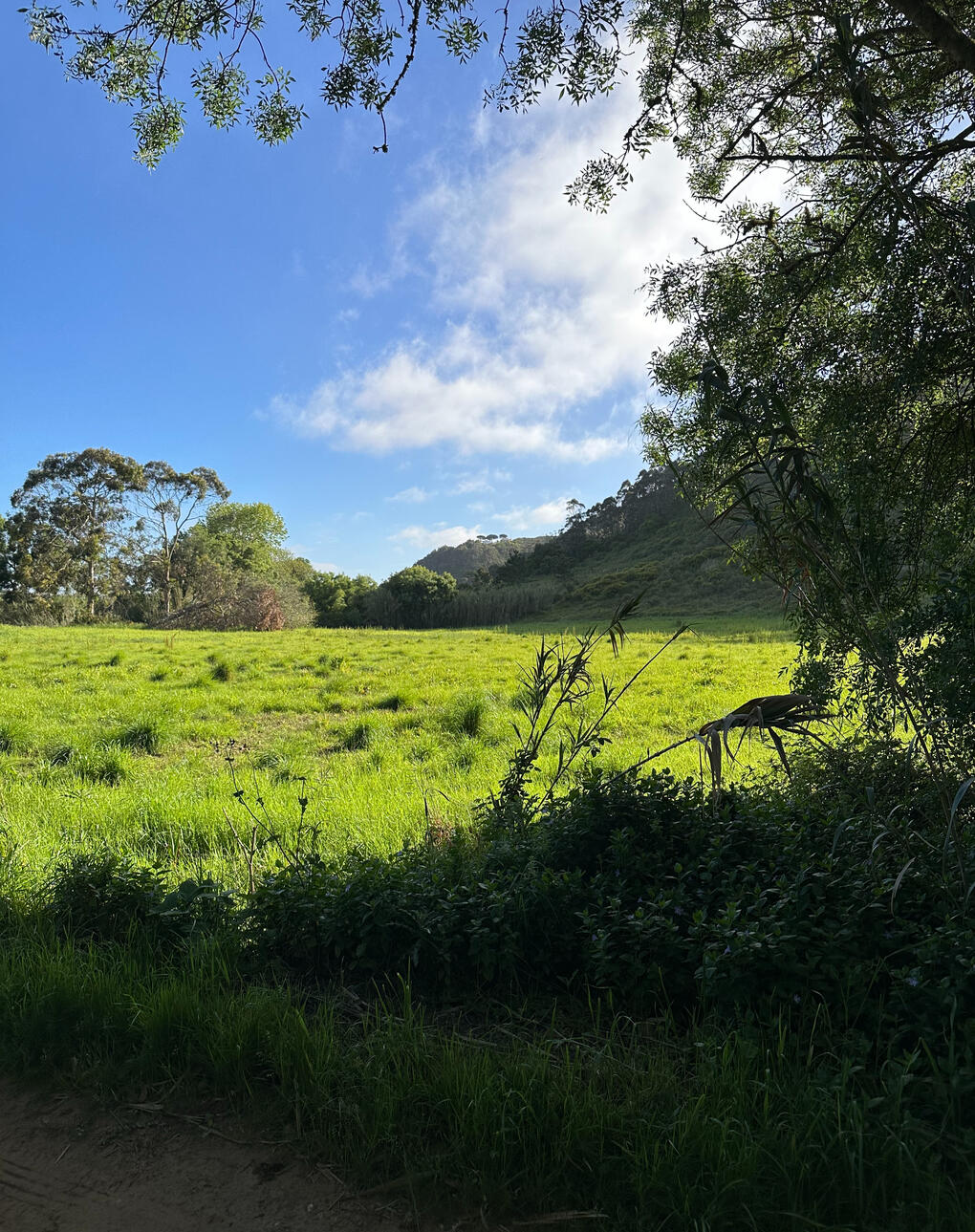
If someone asked me where I’d recommend going for a first surf trip focused mainly on learning and progression, I’d probably say Peniche most of the time. Not because Ericeira isn’t worth visiting, but because Peniche simply gives beginners more flexibility and more chances to score good conditions throughout the week.
Best Time to Surf in Peniche (2026): A Local's Month-by-Month Guide
If you're planning a surf trip to Portugal, you've probably asked yourself one question: When is the best time to surf in Peniche?The truth is, there isn't a single "best" month. Peniche offers great waves throughout the year, but every season feels a little different. Some months are perfect for beginners, while others attract experienced surfers looking for bigger swells.In this guide, we'll walk through the year month by month so you can decide when to plan your trip.
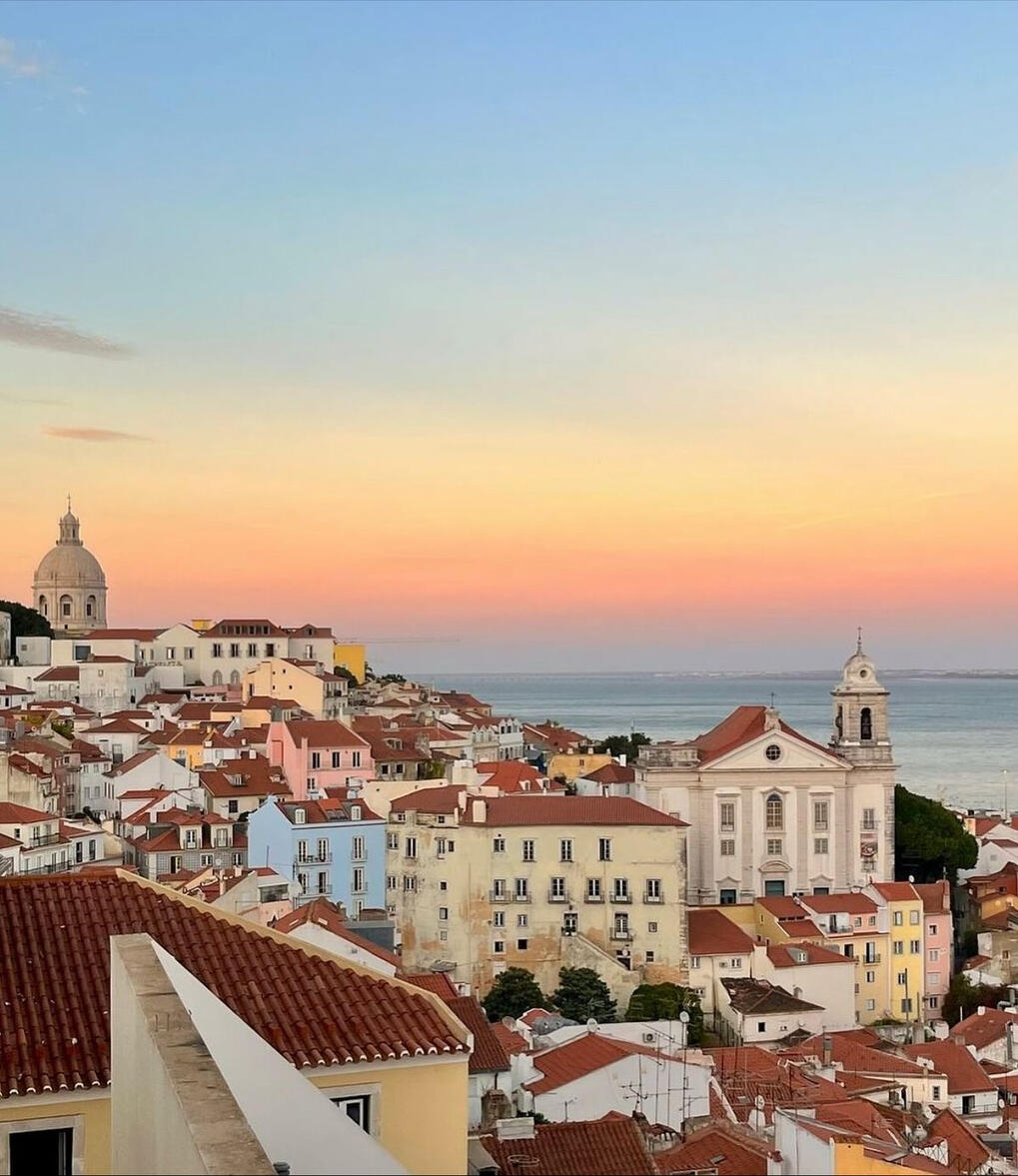
Why Peniche Is Great All YearOne of the reasons Peniche has become one of Europe's most popular surf destinations is its variety of beaches. Because the coastline faces different directions, it's often possible to find good waves even when the conditions aren't ideal elsewhere.That flexibility makes a huge difference. Whether you're taking your first lesson or looking for powerful waves, there's usually a beach that suits the conditions.
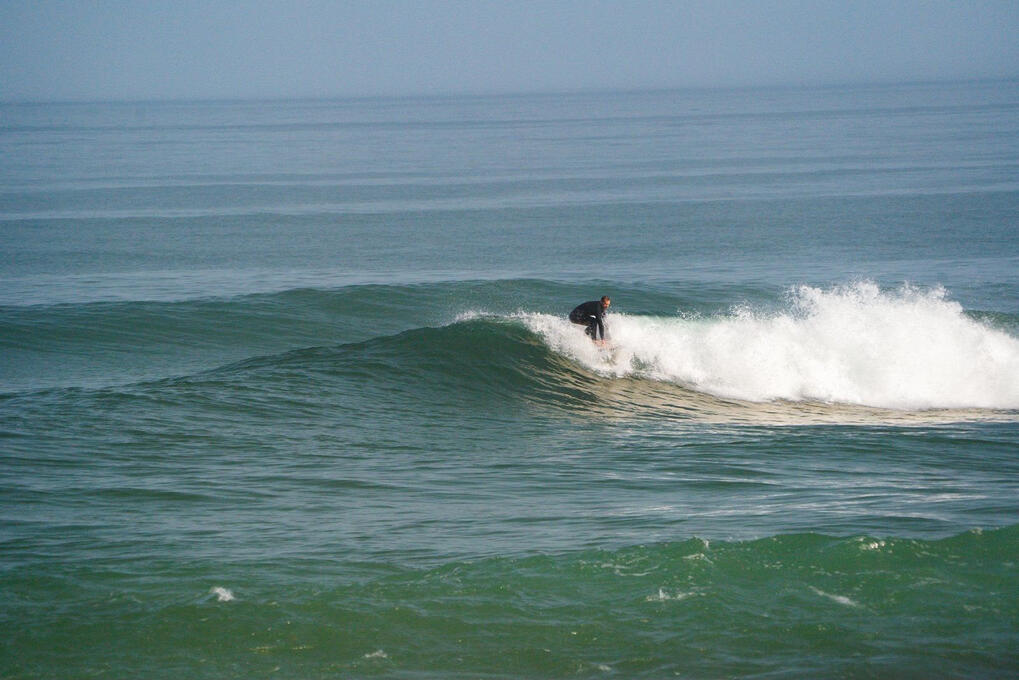
JanuaryJanuary is one of the biggest months of the year. Powerful Atlantic swells arrive regularly, creating the heavy waves Peniche is famous for. On the right day, experienced surfers can score incredible sessions with very few people in the water.If you're new to surfing, don't worry. Surf schools simply choose more sheltered beaches where the waves are smaller and easier to manage.Water: 15–16°C
Wetsuit: 4/3 mm
Best for: Advanced surfers

FebruaryFebruary feels similar to January, but you'll often get more sunny days between the winter storms. The ocean is still powerful, yet there are plenty of fun days for surfers who know how to read the forecast.It's also a quieter time to visit. Accommodation is often cheaper, and you'll enjoy a much more relaxed atmosphere than during the summer months.Water: 15–16°C
Wetsuit: 4/3 mm
Best for: Advanced and confident intermediate surfers
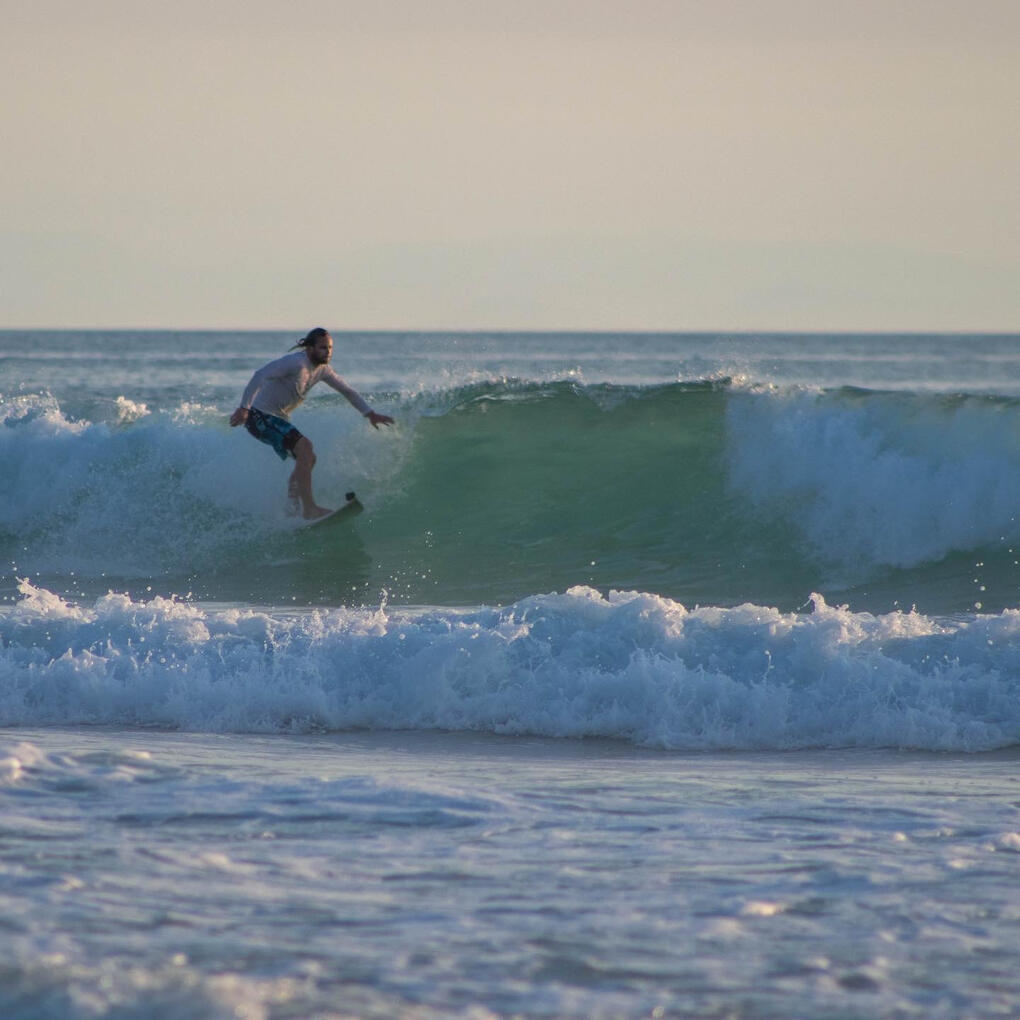
MarchMarch marks the beginning of spring. The swell remains consistent, but the average wave size becomes a little more forgiving than during winter. That makes it a great month for surfers who want to improve.Longer days and more sunshine also make spending time outside much more enjoyable. Many returning visitors consider March one of Peniche's most underrated months.Water: 16°C
Wetsuit: 4/3 mm
Best for: Intermediate surfers
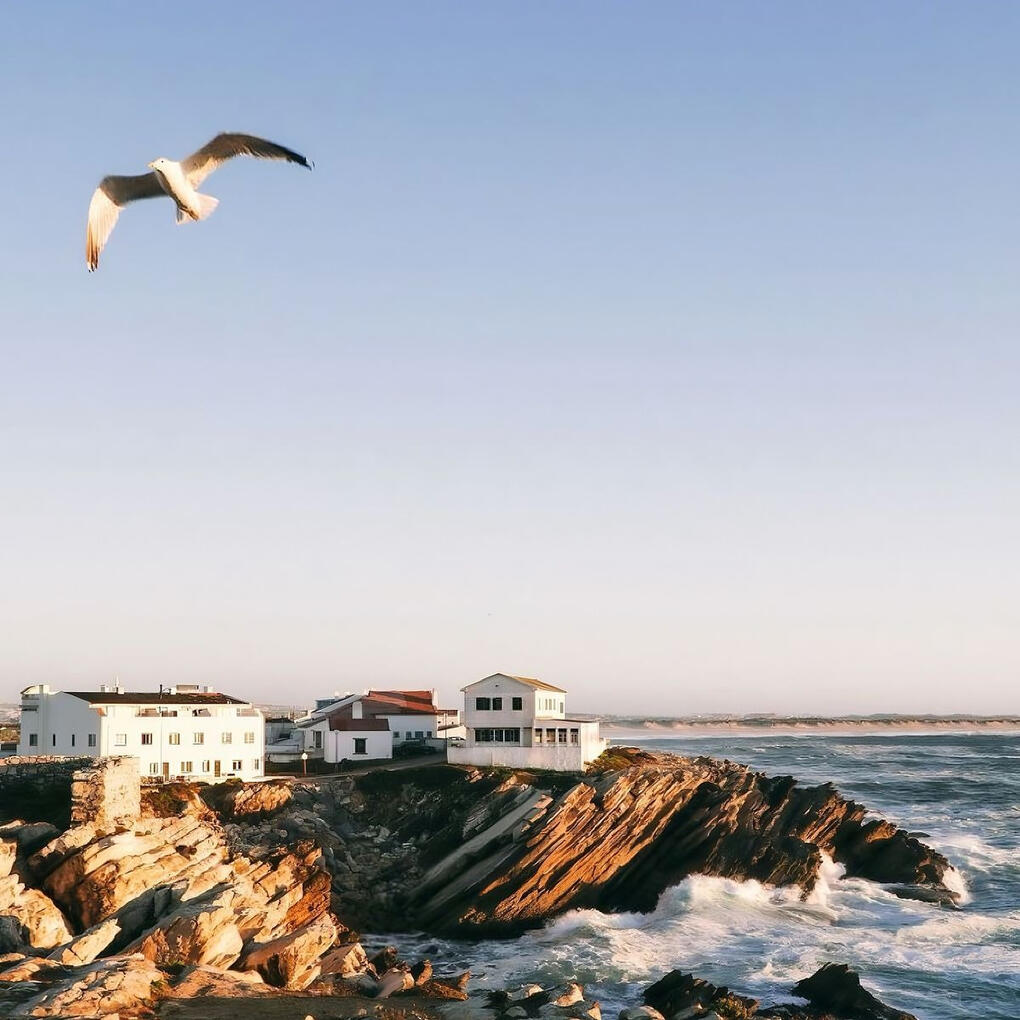
AprilBy April, Peniche starts feeling much more alive. The weather becomes warmer, cafés get busier and you'll often surf under blue skies instead of grey winter clouds.The beaches are still far quieter than in summer, which means more space in the lineup and an easier time finding accommodation.Water: 16–17°C
Wetsuit: 4/3 mm
Best for: Beginners and intermediates
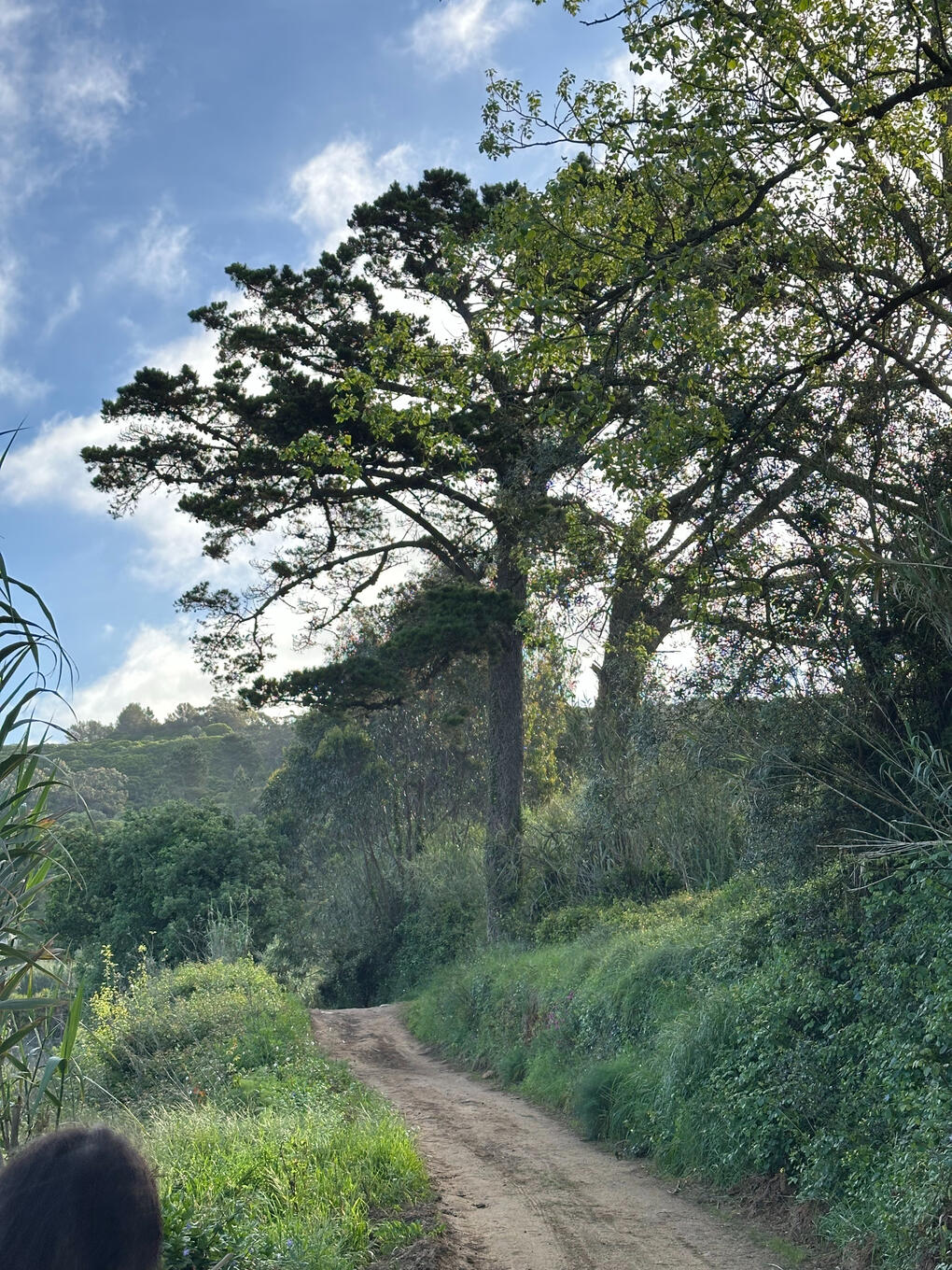
MayMay is one of the best months for a relaxed surf holiday. The weather is warm without being too hot, and the waves are usually friendly enough for beginners while still offering plenty of fun for experienced surfers.If you enjoy combining surfing with exploring the local cafés, beaches and sunsets, May is an excellent time to visit Peniche.Water: Around 17°C
Wetsuit: 3/2 or 4/3 mm
Best for: All levels
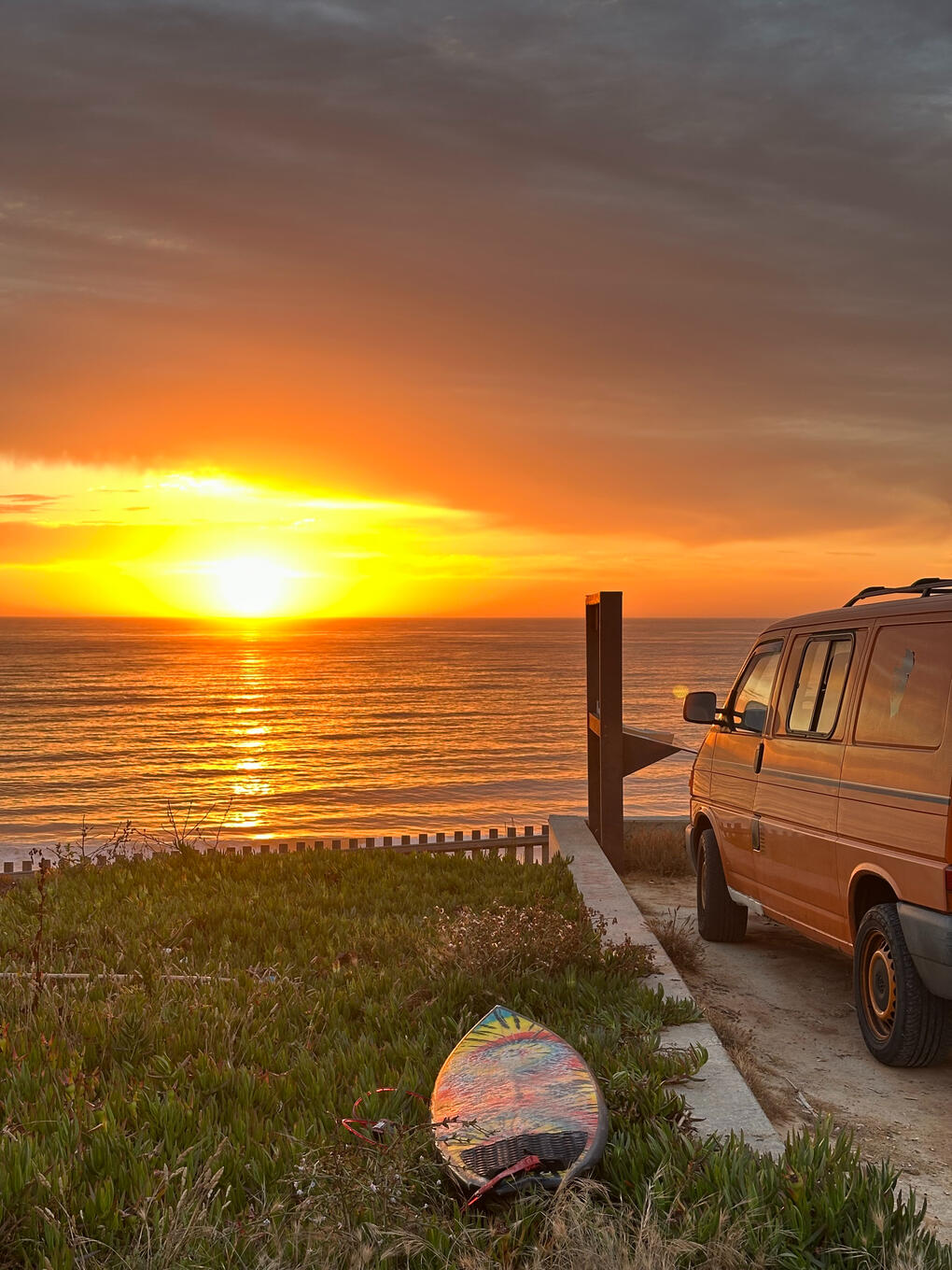
JuneJune is often overlooked, but it's one of the smartest months to plan a surf trip. Summer has arrived, but the biggest holiday crowds haven't yet.You'll enjoy long days, warm weather and consistent beginner-friendly waves. Many surf camps start filling up during June because the conditions are ideal for learning.Water: 18°C
Wetsuit: 3/2 mm
Best for: Beginners
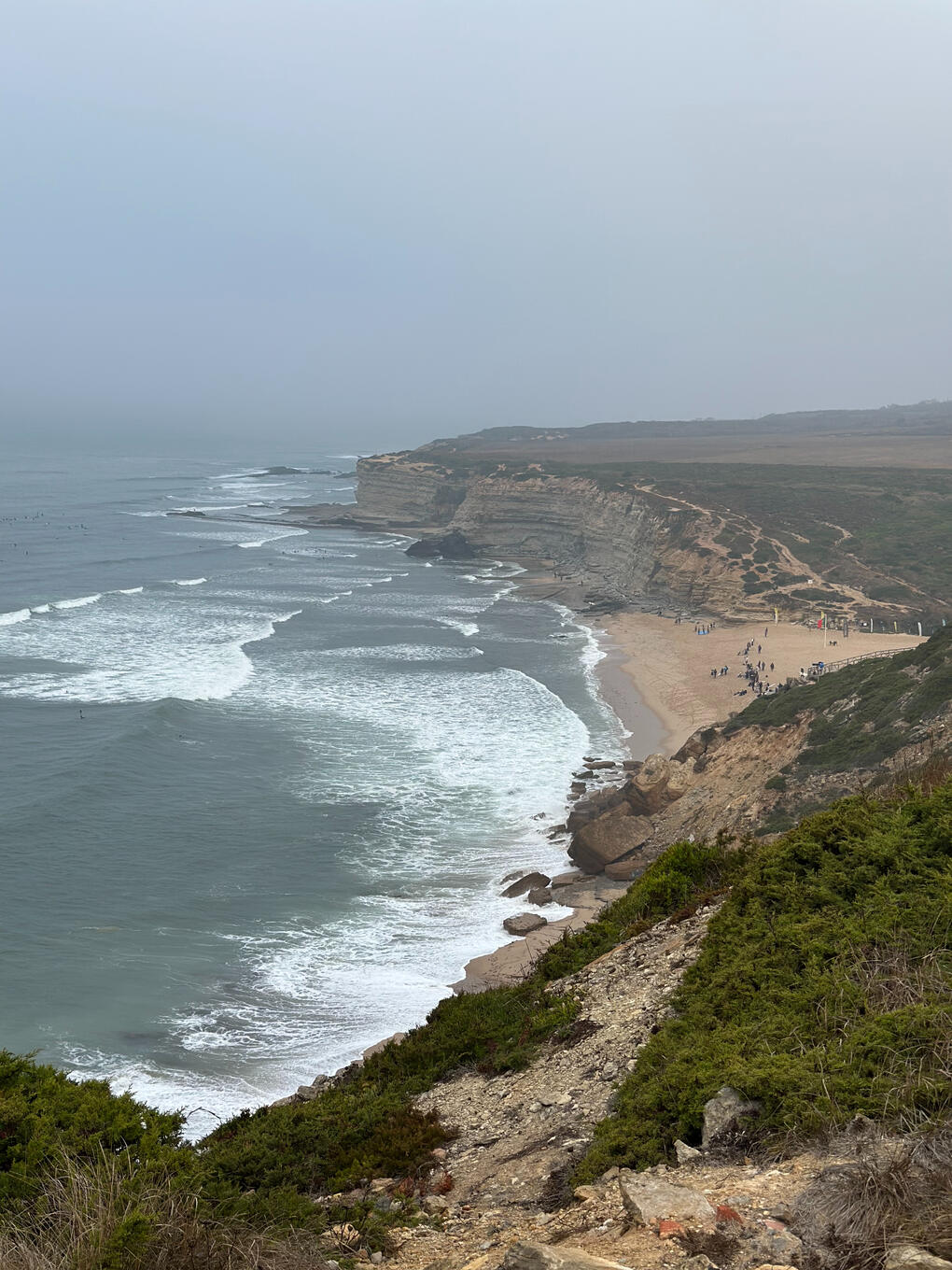
JulyJuly brings the classic summer atmosphere to Peniche. The beaches become busier, surf schools run every day and the town fills with travellers from all over Europe.Although the waves are often smaller than in winter, that's exactly what makes July such a good month for first-time surfers looking to build confidence.Water: 18–19°C
Wetsuit: 3/2 mm
Best for: Beginners
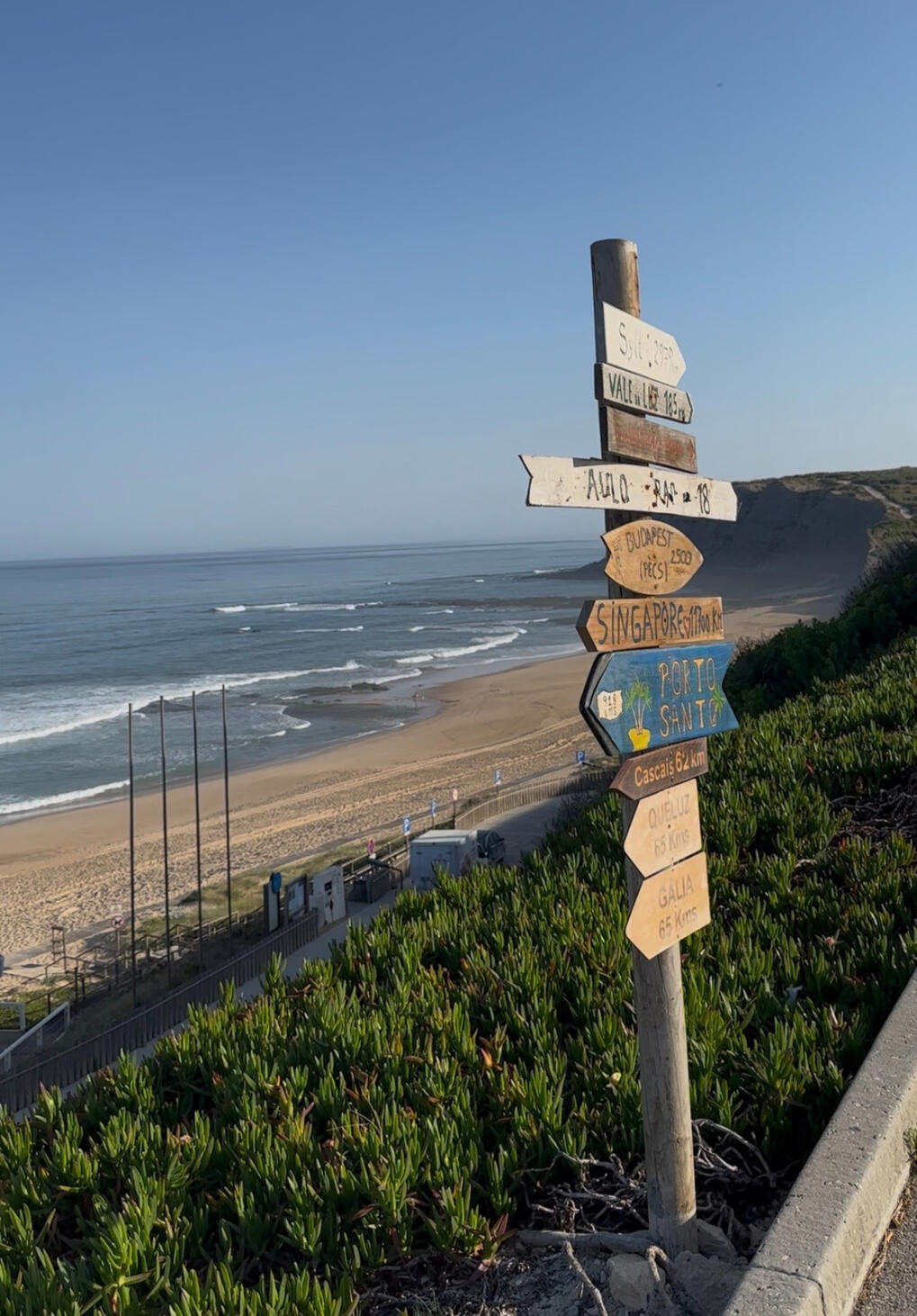
AugustAugust is the busiest month of the year. The weather is warm, the beaches are lively and accommodation often books out well in advance.If you enjoy meeting new people and spending long days at the beach, August has a fantastic atmosphere. Just remember to book your trip early.Water: 19°C
Wetsuit: 3/2 mm
Best for: Beginners and holiday surfers
SeptemberMany local surfers would tell you that September is one of the best months of the year. The summer crowds begin to disappear, but the ocean stays warm and the Atlantic starts delivering more consistent swell again.It's a great balance between fun beginner waves and more exciting conditions for experienced surfers.Water: 19–20°C
Wetsuit: 3/2 mm
Best for: Almost everyone
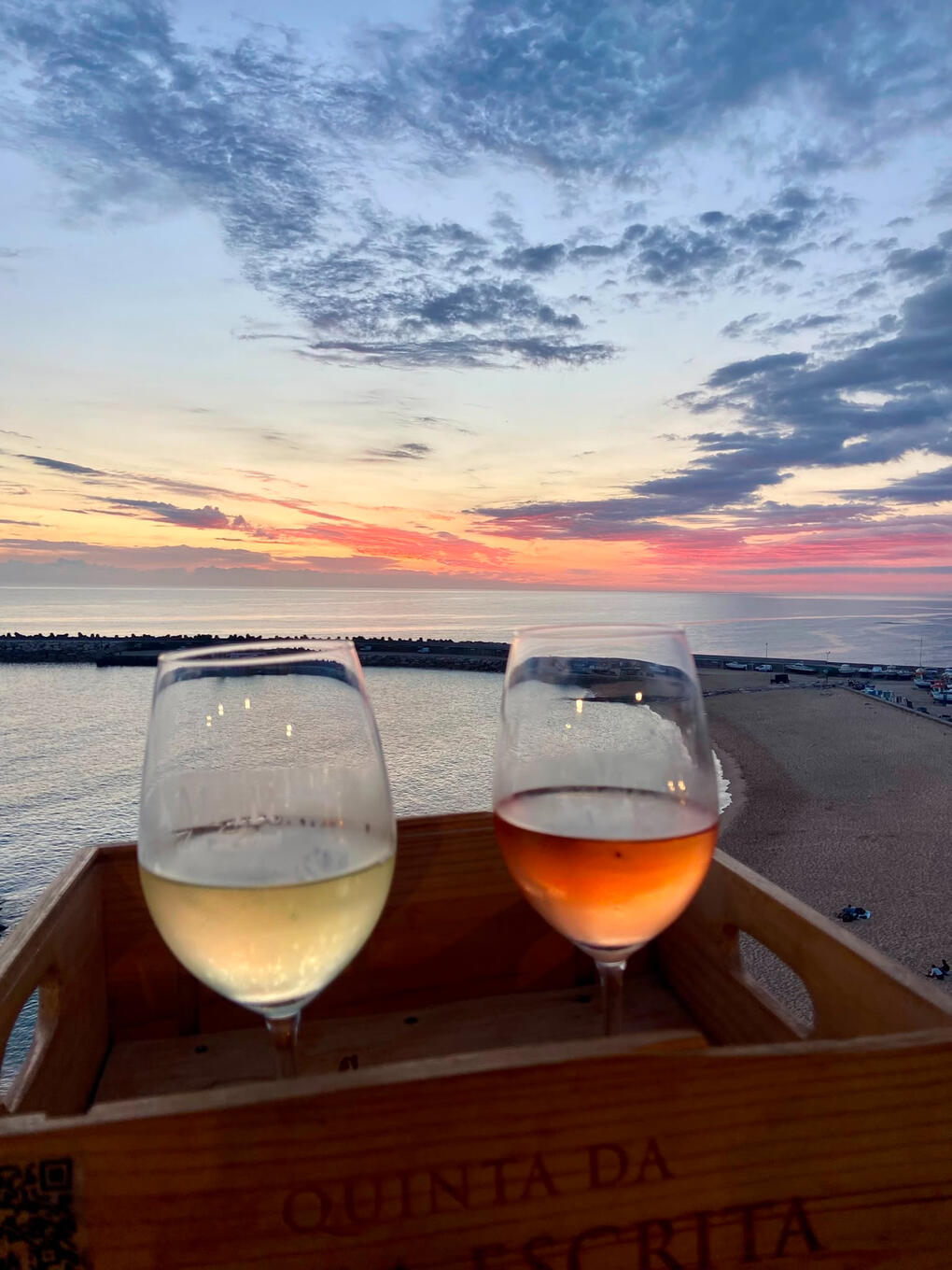
OctoberIf you can only visit Peniche once, October is hard to beat. The weather is still pleasant, the water remains warm and the surf becomes more consistent almost every week.It's no surprise that international surfing events have often been held here during autumn. October regularly produces some of the best waves of the year.Water: Around 19°C
Wetsuit: 3/2 mm
Best for: Intermediate and advanced surfers
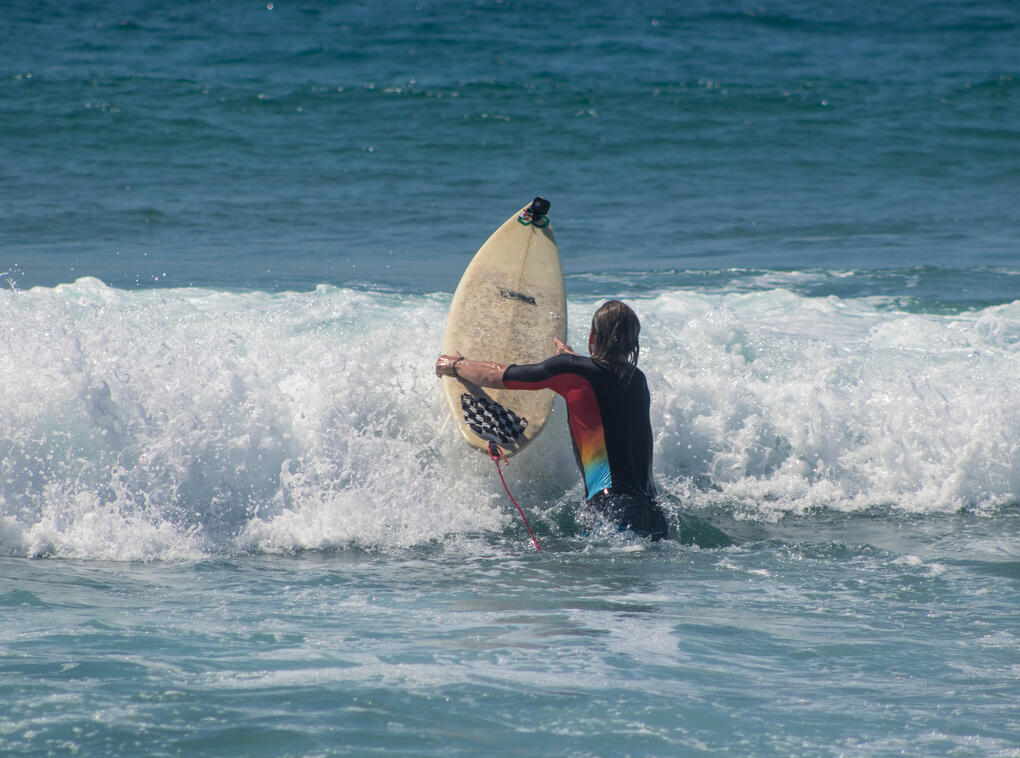
NovemberNovember marks the return of bigger Atlantic swells. The beaches become quieter, temperatures cool down and experienced surfers start looking for the season's first powerful sessions.Beginners can still enjoy surfing, especially with instructors who choose protected beaches according to the forecast.Water: 17–18°C
Wetsuit: 4/3 mm
Best for: Experienced surfers
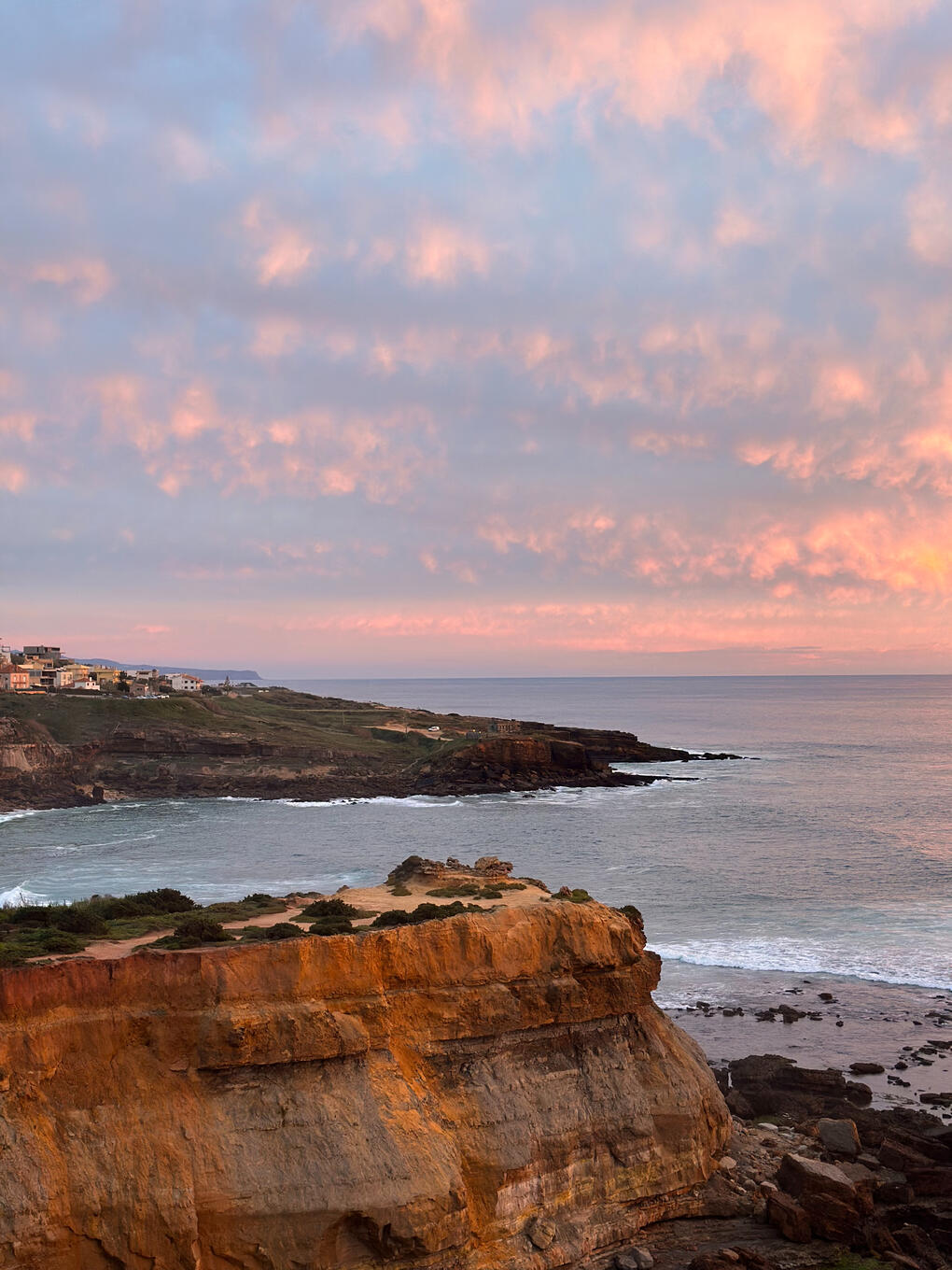
DecemberDecember finishes the year with classic winter conditions. Some days are stormy, while others offer clean offshore winds and empty lineups.If you don't mind wearing a thicker wetsuit, December can reward you with some unforgettable sessions and a much quieter atmosphere than summer.Water: 16°C
Wetsuit: 4/3 mm
Best for: Advanced surfers
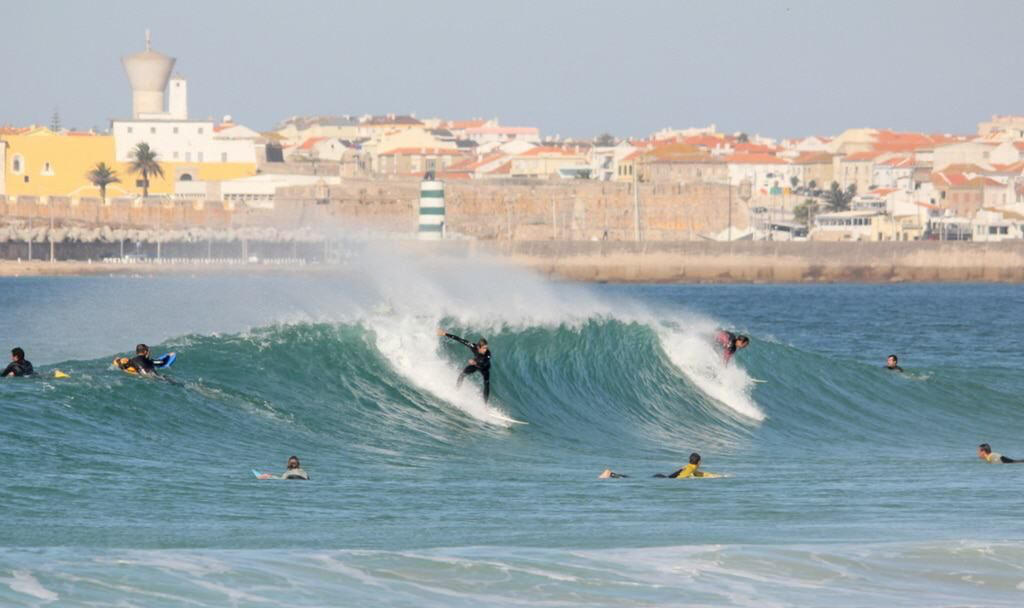
Water Temperature Throughout the YearPortugal's Atlantic Ocean stays cooler than many visitors expect. Even in the middle of summer, most surfers wear a wetsuit for comfort during longer sessions.Winter: 15–16°C (4/3 mm wetsuit)
Spring: 16–18°C (4/3 or 3/2 mm)
Summer: 18–20°C (3/2 mm)
Autumn: 18–20°C (3/2 mm)
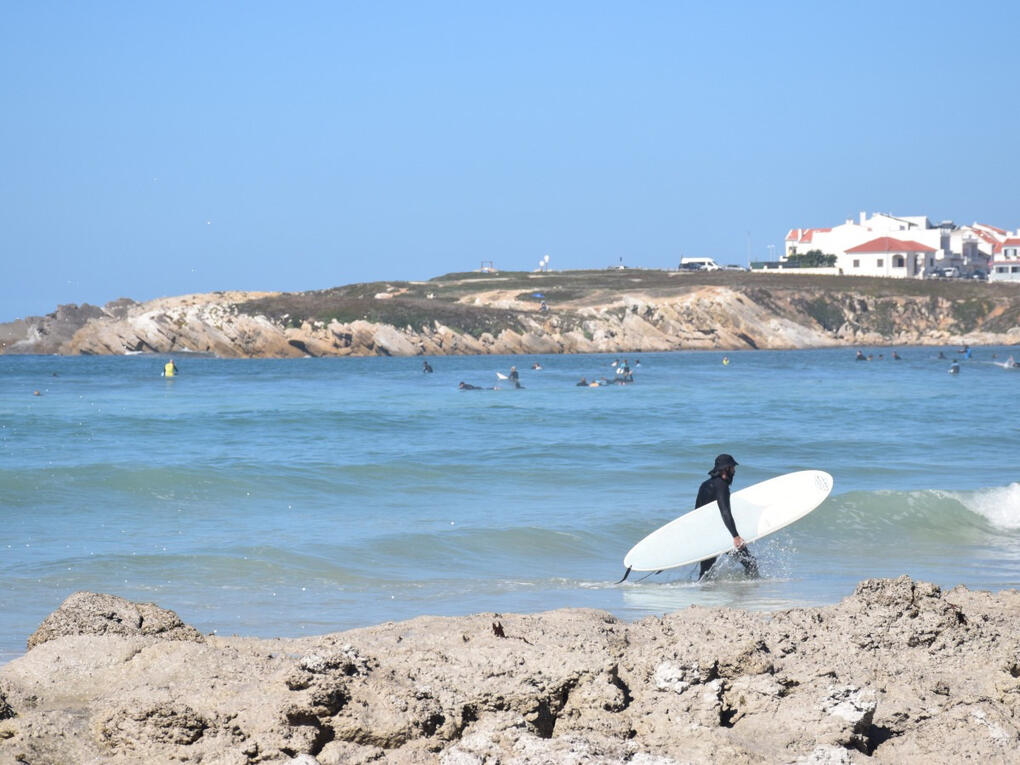
Best Months for BeginnersIf you're learning to surf, smaller and more forgiving waves will help you progress much faster than powerful winter conditions.The best months for beginners are:May
June
July
SeptemberDuring these months, the weather is warm, the waves are generally more manageable and surf schools have plenty of beginner friendly sessions available.
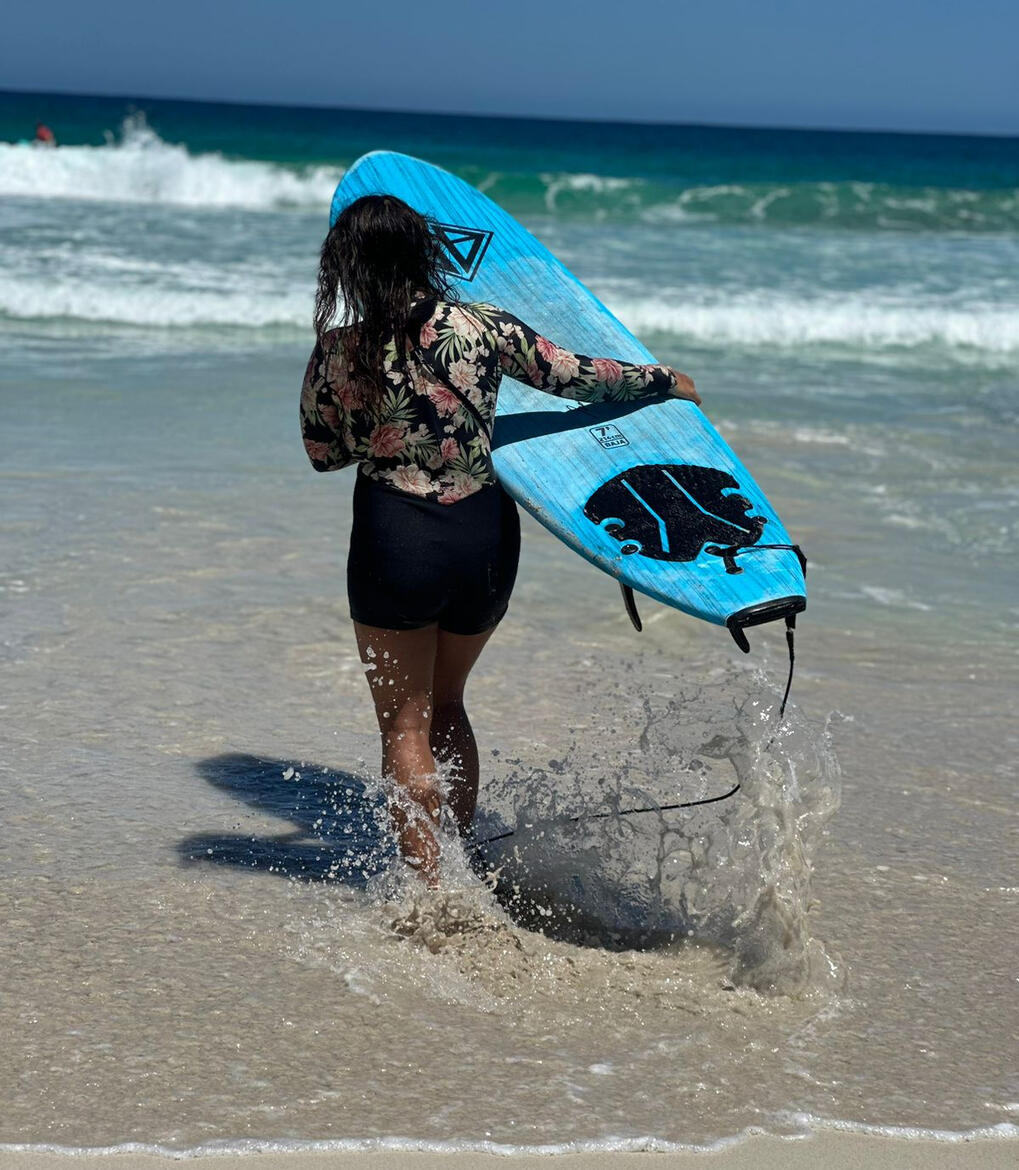
Best Months for Intermediate SurfersIntermediate surfers often enjoy the best balance during spring and autumn.The top months are:April
May
September
OctoberThese months usually offer enough swell to improve without becoming too challenging.
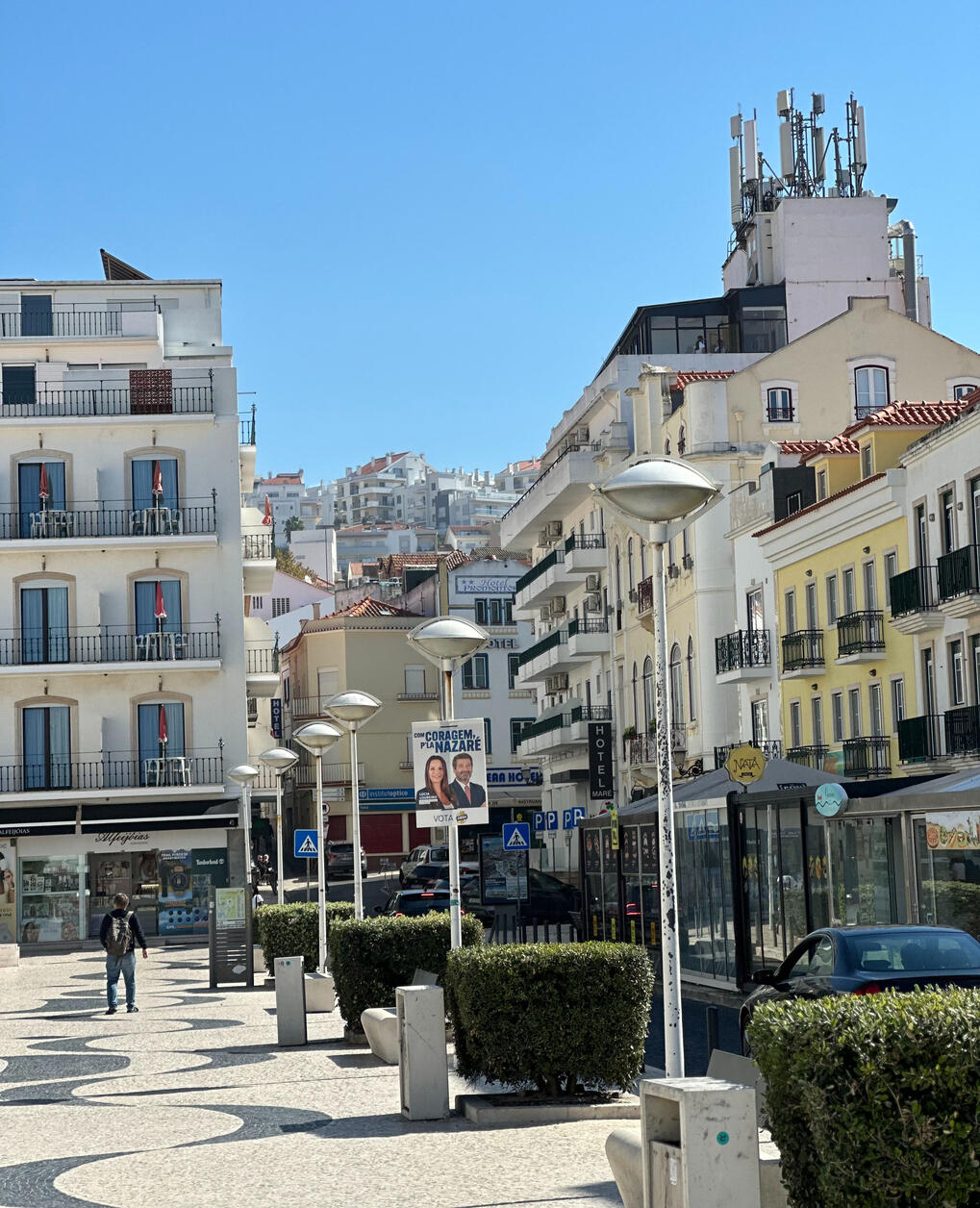
Best Months for Advanced SurfersIf you're chasing bigger waves, winter is your season.The best months are:October
November
December
January
FebruaryThis is when Peniche produces the powerful Atlantic surf that has made it famous around the world.
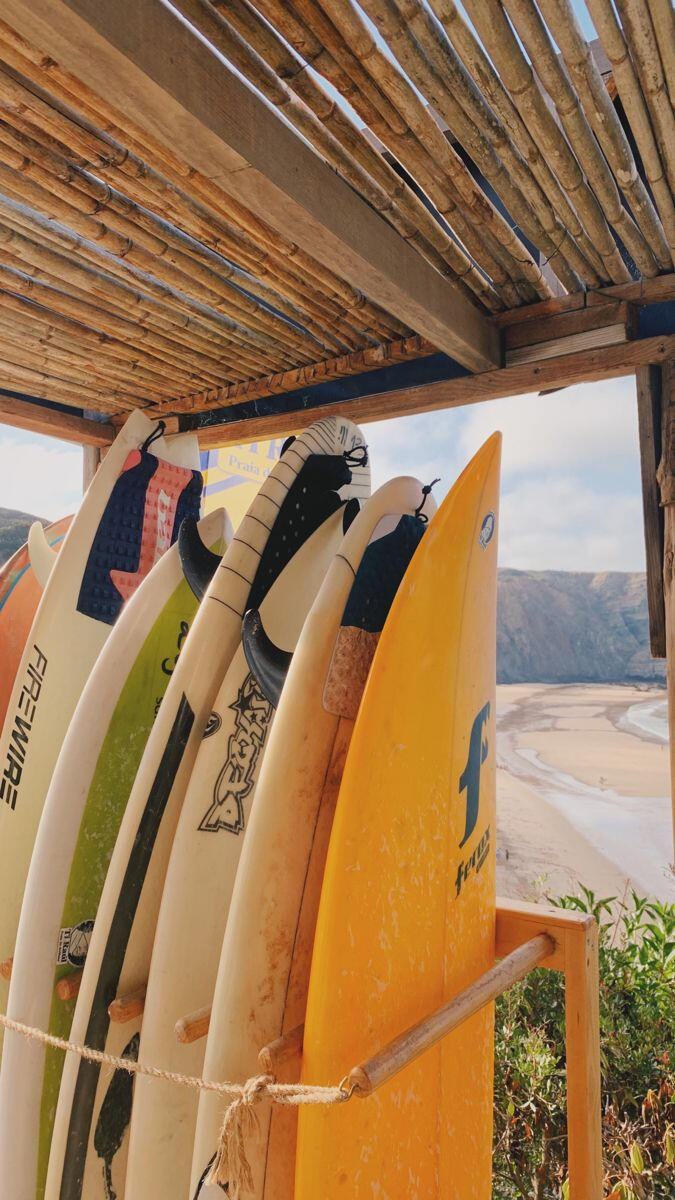
Frequently Asked Questions
Can you surf in Peniche all year?Yes. Peniche offers surfable waves throughout the year. Conditions change with the seasons, but there is usually a beach that works somewhere along the peninsula.Is Peniche good for beginners?Absolutely. Thanks to its sandy beaches, experienced surf schools and variety of surf spots, Peniche is one of the best places in Portugal to learn.What is the warmest month to surf?August usually has the warmest weather, while the ocean is often warmest during late August and September.When do experienced surfers visit?Most experienced surfers visit between October and February, when the Atlantic delivers larger and more powerful swells.
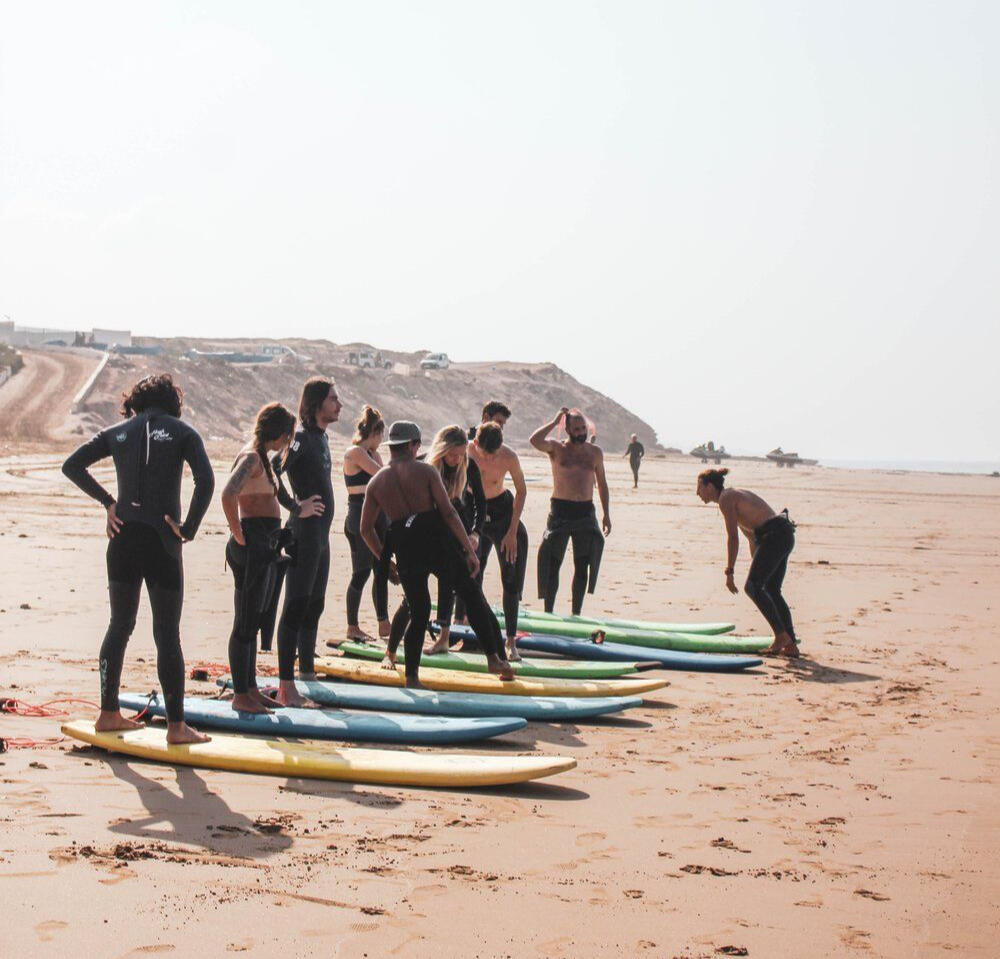
Final ThoughtsOne of the best things about Peniche is that there isn't a bad time to visit.Summer is perfect for learning, autumn offers some of the most consistent surf of the year, spring is ideal for progression and winter attracts experienced surfers chasing bigger waves.If it's your first surf trip, September and October are probably the safest choice. They combine warm weather, comfortable water temperatures and excellent waves for almost every skill level.No matter when you decide to visit, the combination of beautiful beaches, reliable surf and a relaxed atmosphere is what keeps people coming back to Peniche year after year.
Can You Learn How to Surf in One Week in Peniche?
The short answer is yes, but probably not in the way you're imagining.Many people arrive in Peniche wondering whether seven days are enough to learn surfing. The truth is that everyone starts with different advantages. Some people grew up swimming in the ocean, while others have barely spent time in the water. Some are naturally athletic, while others simply bring curiosity, patience and the willingness to keep trying.
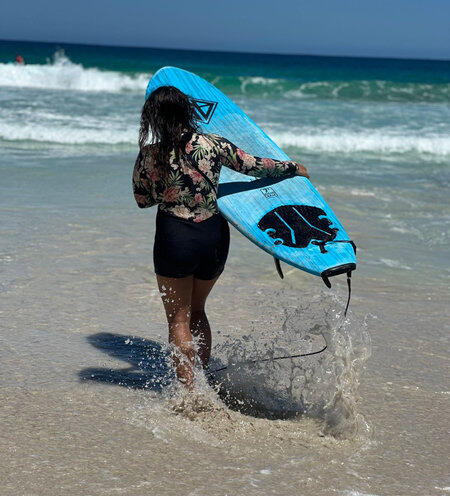
From what I've seen, though, one week is more than enough for most people to catch their first waves and build a solid foundation that makes them want to come back.

Everyone Progresses Differently.
When I first started surfing, I caught my first green wave on my second day. It lasted almost twenty seconds, and it's still one of my favourite memories. But I also came into surfing as a confident swimmer, which definitely helped. Not everyone progresses that quickly, and that's completely normal. Some people compensate for technical mistakes with strength and fitness, while others develop a natural feeling for balance, timing and positioning on the board. There isn't one perfect way to learn, everyone finds their own rhythm.
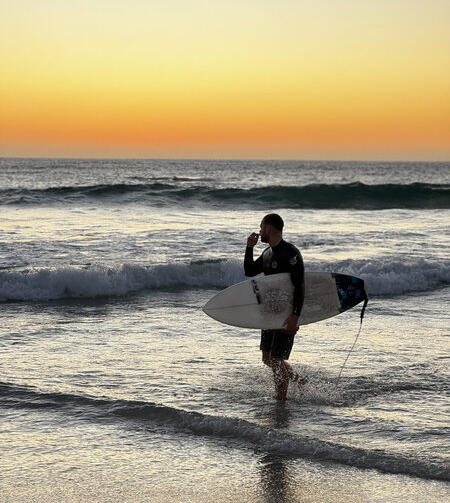
Why One Week Makes Such a DifferenceSurfing isn't about memorising technique. It's about repeating small movements until they slowly become instinctive. Every session teaches you something new: how waves break, when to paddle, where to look and how shifting your weight by just a few centimetres can completely change your ride. That's why spending an entire week surfing is so valuable. You don't just learn once, you improve a little bit every single day.
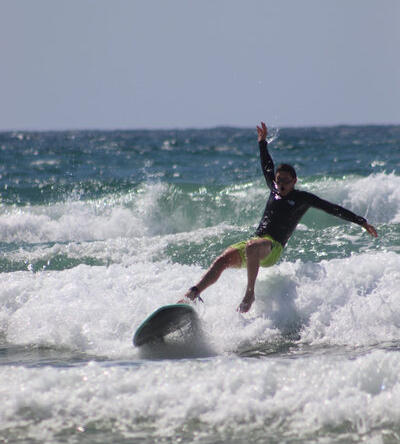
Don't Worry About Riding a Big BoardOne mistake many beginners make is thinking they need a smaller board to become a "real surfer." In reality, the opposite is usually true. A large soft-top board with plenty of volume catches more waves, gives you more stability and lets you spend much more time actually surfing instead of constantly falling while paddling. More waves mean more practice, and more practice almost always leads to faster progress.
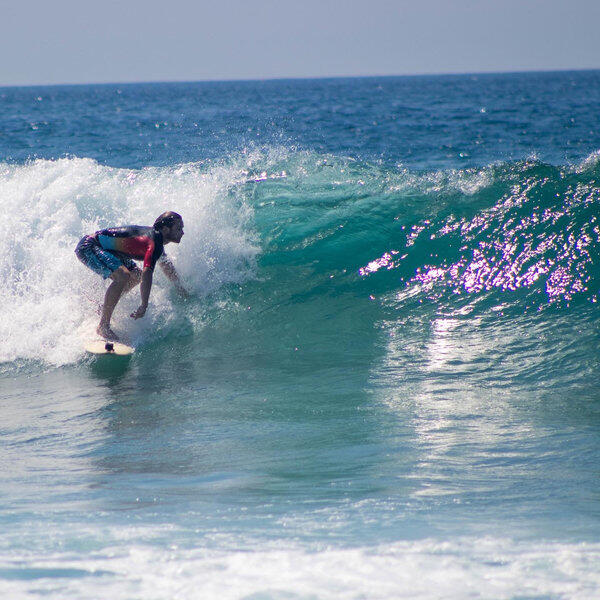
Why Peniche Is Such a Good Place to LearnThe biggest reason is the variety of beaches and conditions. Around Peniche and Baleal there are multiple surf spots facing different directions, which means you can often still find beginner-friendly waves even if the wind or swell changes. That's one of the reasons so many surf schools operate here. If one beach is too messy, too big or too crowded, there's usually another option nearby. For beginners this matters far more than people realise because progress comes from many comfortable sessions, not from surfing perfect waves once.
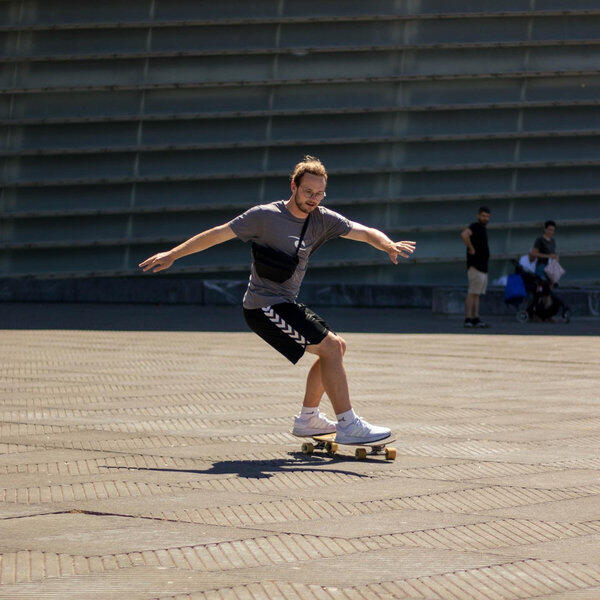
Falling Is Part of the ExperienceThe first time a wave picks you up and carries you towards the beach is an incredible feeling, but it's probably not what you'll remember most. What sticks with people are all the moments in between. During one week you'll watch everyone wipe out, nose dive, miss waves and laugh about it together. That's what makes surf camps special. You quickly realise that everyone struggles at first, and somehow failing becomes part of the fun instead of something frustrating.
So, Can You Learn to Surf in One Week?I honestly believe that most people can. You probably won't leave Peniche surfing like someone who's been in the water for years, but that's not the goal. If you arrive with realistic expectations, enjoy the learning process and don't mind falling a hundred times, one week is enough to catch your first real waves, gain confidence in the ocean and discover why so many people fall in love with surfing. Sometimes that's all it takes to start a lifelong passion. That is at least what it took for me to fall in love with it.
Why Portugal's Atlantic Coast Is the Perfect Van Life & Surf Road Trip
When we started our road trip through Western Europe, Portugal wasn't supposed to become the highlight. We had already spent time travelling through France and Spain, expecting the Atlantic coast to be similar all the way south.It wasn't.Somewhere along Portugal's coastline, everything changed. The crowds became smaller, the beaches felt endless, parking suddenly became much easier and every day seemed to end with another incredible sunset over the Atlantic.If you're dreaming about a van life adventure combined with surfing, Portugal's west coast might just be one of the best road trips in Europe.
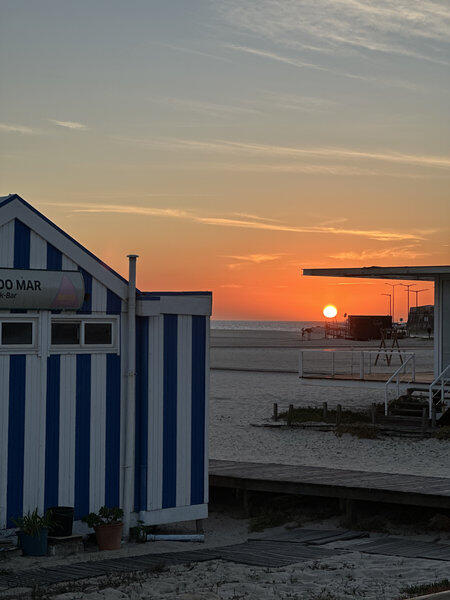
A Different Feeling Than France and SpainOne of the biggest things we noticed was how relaxed everything felt.In France, especially around popular surf destinations, finding parking close to the beach often became frustrating. During the middle of the day many car parks were already full, height barriers were everywhere and spending the night near the coast was heavily restricted in many places.Spain felt slightly easier, but many of the well-known surf towns were still busy and touristy.Portugal was different.The atmosphere immediately felt calmer. Beaches were less crowded, there was more space and driving from one surf spot to the next simply felt easier.
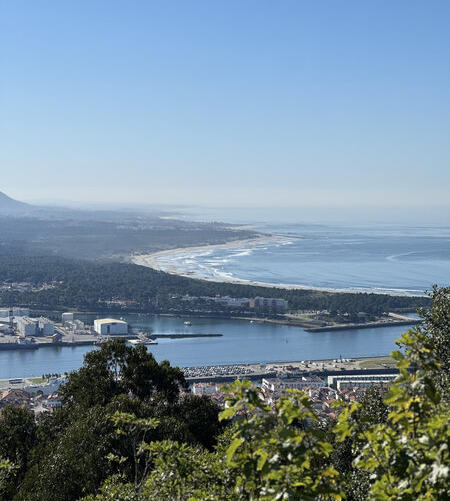
Endless Beaches and Incredible NatureOne thing that surprised us most was just how wild Portugal's coastline still feels.Instead of rows of hotels and busy promenades, you'll often find dramatic cliffs, endless sandy beaches and viewpoints overlooking the Atlantic Ocean.Even after several days on the road, every stop felt different. Some beaches were surrounded by steep cliffs, while others stretched for kilometres without another person in sight.It never felt like we were rushing from one tourist attraction to the next. The journey itself became part of the experience.
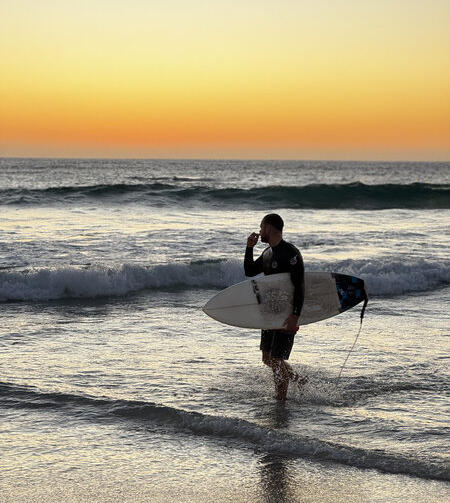
October Might Be the Perfect Time to VisitWe travelled along the coast in October, and honestly, it couldn't have worked out much better.Most of the summer crowds had already disappeared, but the weather still felt like summer. During the day we often enjoyed temperatures of around 25°C, making it easy to spend hours outside.The Atlantic was still refreshingly cool, but with a wetsuit the water was comfortable enough for long surf sessions.If you enjoy quieter beaches without sacrificing good weather, October is definitely worth considering.

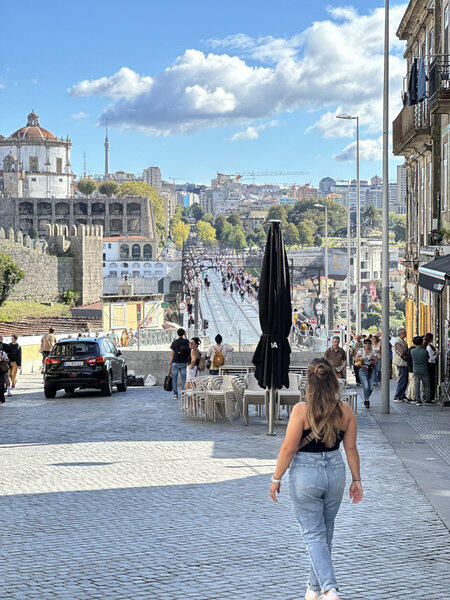
Porto – The Perfect Starting PointOur first longer stop was Porto.The city has a completely different atmosphere compared to Lisbon. Colourful houses, narrow streets, viewpoints and the Douro River create a relaxed but lively feeling.It's also a great place to stock up on supplies before heading south. Spend a day exploring the historic centre, grab a coffee along the river and then continue your journey towards Portugal's surf coast.

Nazaré – Home of Giant WavesEven if you're not planning to surf giant waves yourself, Nazaré is worth the stop.During autumn and winter, this small fishing town attracts surfers from all over the world thanks to some of the biggest waves ever surfed.On smaller days it's simply a beautiful coastal town with stunning viewpoints, beaches and plenty of cafés overlooking the Atlantic.
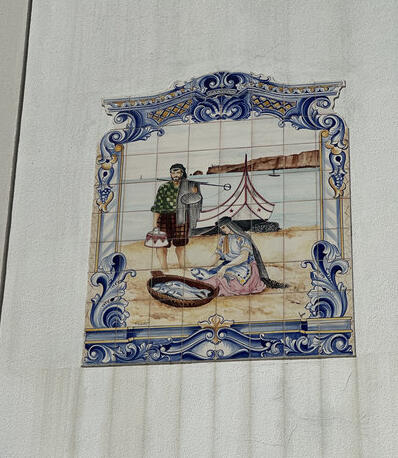
Peniche – A Surfer's ParadisePeniche quickly became one of our favourite places along the entire trip.The peninsula offers several beaches facing different directions, which means there's usually a surf spot working regardless of the wind.Whether you're completely new to surfing or already experienced, Peniche offers an incredible variety of waves, relaxed cafés and a laid-back surf atmosphere that makes it easy to stay longer than planned.It's no surprise that so many people return here year after year.

Ericeira – Portugal's Surf CapitalFurther south you'll reach Ericeira, one of Europe's most famous surf towns.The white houses overlooking the ocean, small streets, cosy cafés and world-class surf breaks create a unique atmosphere that feels both authentic and international.Even if you don't surf, it's simply a fantastic place to slow down, enjoy great food and watch the sunset after a day on the road.
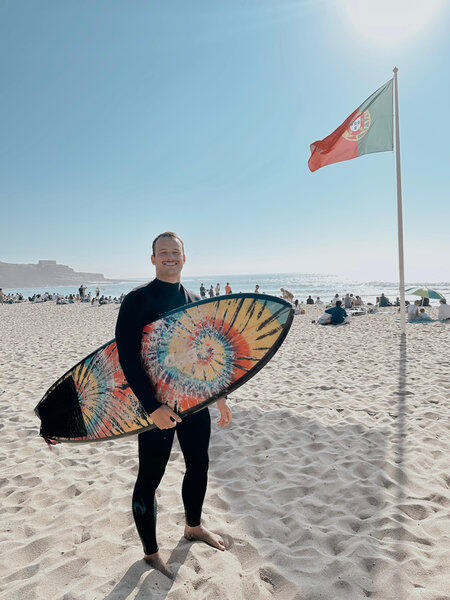
Lisbon – The Perfect FinishEnding the trip in Lisbon felt like the perfect contrast.After days surrounded by beaches, cliffs and small surf towns, arriving in Portugal's vibrant capital added something completely different.Spend a few days wandering through Alfama, ride the historic trams, enjoy Portuguese food and take in the views from the city's famous miradouros.It's the perfect way to finish a road trip along the Atlantic coast.

Why Van Life Feels Easier in PortugalOne thing we appreciated throughout the trip was how relaxed travelling felt.Compared to our experience further north, we encountered far fewer height barriers at beach car parks, found more quiet places to stop during the day and generally felt much less pressure from heavy tourism.That doesn't mean you can park absolutely anywhere overnight. Portugal has rules around overnight parking for campervans, especially in protected natural areas, and it's important to respect local regulations.Still, the overall experience felt much more relaxed than what we had experienced before arriving in Portugal.
Tips Before You GoA little preparation makes the trip much more enjoyable.Travel during September or October if possible.
Bring a 3/2 or 4/3 mm wetsuit, depending on the forecast.
Don't plan every stop in advance. Some of our favourite beaches were completely unexpected.
Download offline maps before leaving larger towns.
Leave every parking spot cleaner than you found it and always respect local overnight parking rules.
Final ThoughtsLooking back, Portugal was easily our favourite part of the entire road trip.It wasn't just because of the surf. It was the combination of empty beaches, dramatic cliffs, friendly surf towns and the relaxed atmosphere that made every day feel different.Driving south along the Atlantic coast never felt rushed. We stopped whenever we discovered another beautiful beach, watched sunsets almost every evening and spent our days surfing, exploring and simply enjoying life on the road.If you're looking for a road trip that combines van life, surfing, incredible scenery and some of Europe's most beautiful coastline, Portugal should be at the very top of your list.
Is a Surf Camp Worth It for Complete Beginners? My Honest Experience
If you've never surfed before, booking a full surf camp can feel like a big step.Maybe you're wondering if you'll be the worst person there. Maybe you're worried about being too old, not fit enough or simply not knowing what to expect.I had exactly the same questions before my first surf trip.Looking back now, I honestly believe that joining a surf camp for a week is one of the best ways to get into surfing. In fact, it's exactly how I started myself, and it's the reason I fell in love with the sport.
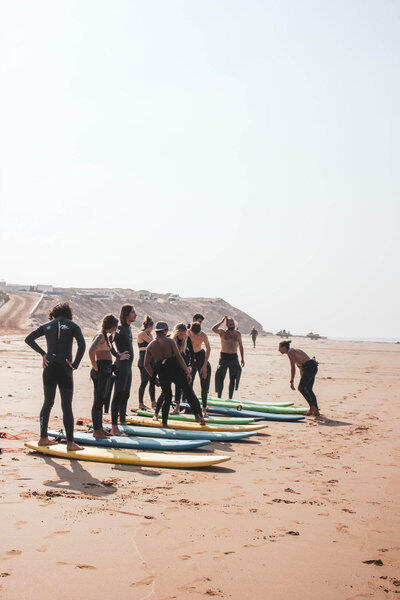
Why a Surf Camp Is the Perfect Place to StartTrying surfing on your own sounds exciting, but the ocean can be confusing when you've never been in it before.At a good surf camp, experienced instructors guide you through every step. You'll learn how to carry your board, paddle correctly, pop up safely and understand basic surf etiquette before heading into the water.More importantly, you'll start understanding how the ocean works. Reading waves, spotting currents and choosing the right place to paddle out are skills that take time, and having someone explain them from day one makes learning much easier.
You Don't Need Any ExperienceOne of the biggest misconceptions about surf camps is that everyone already knows how to surf.The reality is usually the opposite.Most people arrive having never stood on a surfboard before. Some have taken one lesson on holiday years ago, while others are touching a surfboard for the very first time.A good surf school meets everyone where they are. Whether you're sporty, nervous, confident or completely new to the ocean, instructors adapt their coaching to your level.
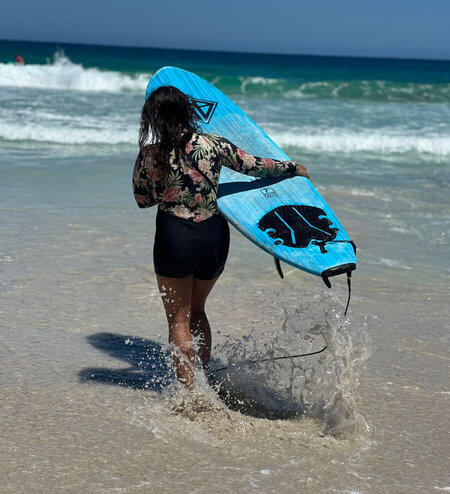
You'll Learn Much More Than Just SurfingSurfing isn't only about standing on a board.During a surf week you'll also learn the basics that many beginners overlook. You'll discover how waves are formed, why tides matter, how to stay safe in the water and why surf etiquette is so important.Understanding these things early makes every future surf session more enjoyable and helps you become a safer and more confident surfer.It's knowledge that stays with you long after the week is over.
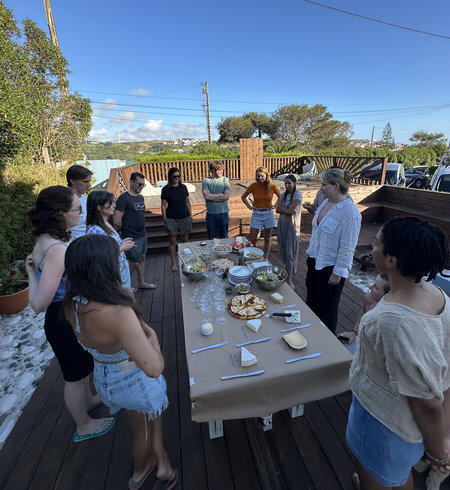
The Community Is What Makes It SpecialFor me, this was probably the biggest surprise.A surf camp isn't just about surfing. It's about spending a week with people who all share the same goal: learning something new and having fun in the ocean.You celebrate every small success together, laugh after wipeouts, cheer each other on and quickly become friends. It's almost impossible not to start conversations when everyone is experiencing the same challenges.Many people arrive alone, but very few leave feeling that way.
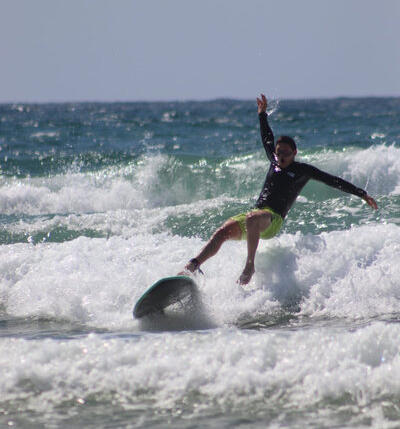
You're Never Too Old to LearnOne thing you'll notice during your first week is how diverse the group usually is.You'll meet students, professionals taking a break from work, couples, solo travellers and people who have finally decided to try surfing after talking about it for years.There isn't a perfect age to start.As long as you're reasonably healthy and willing to learn, surfing is a sport you can begin at almost any stage of life. Progress looks different for everyone, but everyone improves.
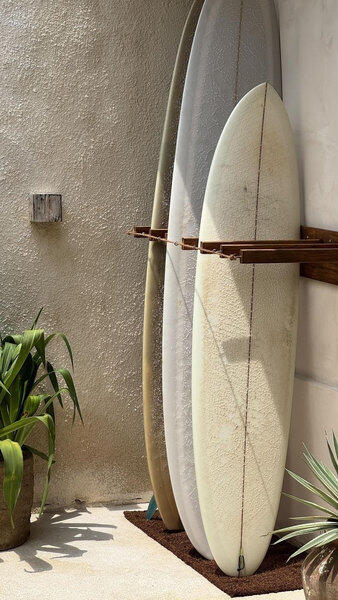
What Can You Learn in One Week?People often ask if one week is enough.The answer is yes.By the end of a good surf camp, most beginners will understand the fundamentals of surfing. You'll know how to paddle, catch whitewater waves, pop up consistently and move around in the lineup with much more confidence.If you're already comfortable in the water or have a sporting background, it's not unusual to catch your first green waves before the week is over.That doesn't mean you'll master surfing in seven days, but you'll build a strong foundation that makes every future session much easier.

My First Surf Camp Changed EverythingI started surfing through a one-week surf camp myself.Before arriving, I had no idea what to expect. I simply wanted to try something new while travelling.That week completely changed the way I looked at surfing.I met incredible people, spent hours in the ocean every day and fell in love with the lifestyle that comes with the sport. Looking back, it wasn't just about learning to surf. It was about discovering a community, spending time outdoors and finding a hobby that I still enjoy today.If I had tried to learn completely on my own, I honestly don't think I would have progressed nearly as quickly or enjoyed it as much.
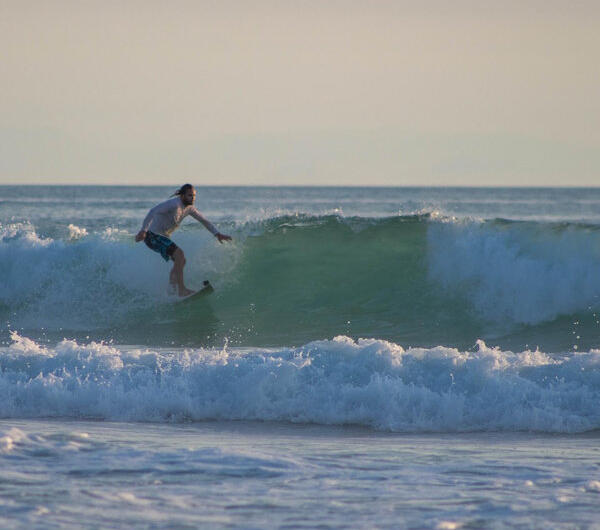
Is a Surf Camp Better Than Learning Alone?Technically, you can learn by yourself.But for complete beginners, it's usually much slower and often more frustrating.Without guidance it's difficult to understand which waves to catch, where to paddle, how to stay safe and what mistakes you're making.Having experienced instructors beside you speeds up the learning process and gives you the confidence to enjoy the ocean instead of constantly second-guessing yourself.
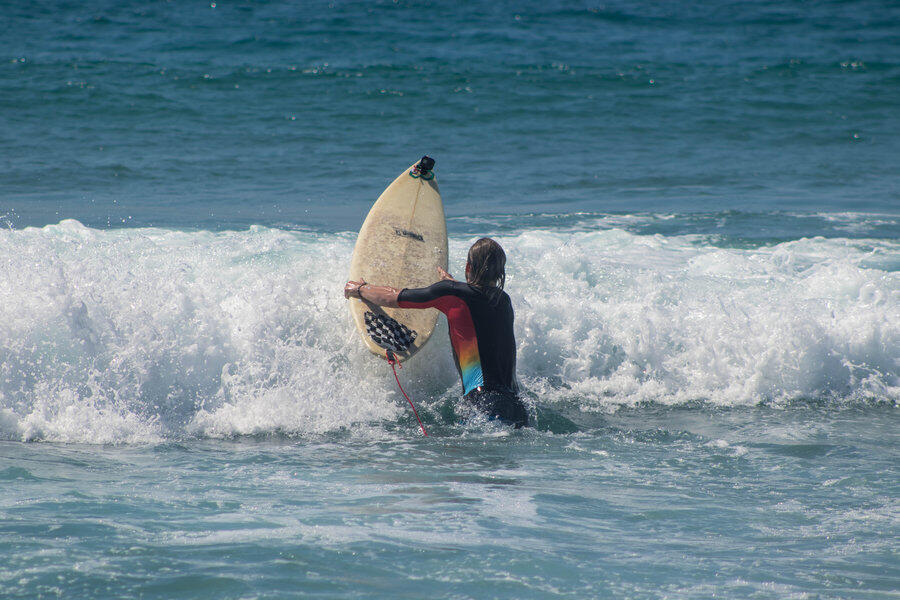
Who Should Book a Surf Camp?A surf camp is perfect if you:Have never surfed before.
Want to improve quickly.
Enjoy meeting new people.
Like being active outdoors.
Want an unforgettable holiday instead of simply lying on the beach.If that sounds like you, there's a very good chance you'll have an amazing week.
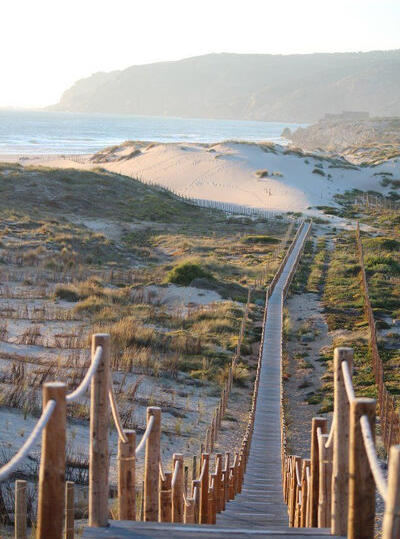
Frequently Asked Questions
Am I too old to start surfing?Definitely not. Surf camps welcome people of all ages, and it's completely normal to see beginners in their 30s, 40s or even older learning alongside younger surfers.Do I need to be fit?You don't need to be an athlete. A basic level of fitness helps, but instructors adjust lessons to your ability and you'll naturally become more comfortable in the water throughout the week.Will I stand up on the board?Most beginners stand up during their very first lesson in the whitewater. Catching green waves usually takes more practice, but many people make that step surprisingly quickly.Should I travel alone?Absolutely. Solo travellers are incredibly common at surf camps. It's one of the easiest environments to meet like-minded people because everyone spends the day together in and out of the water.
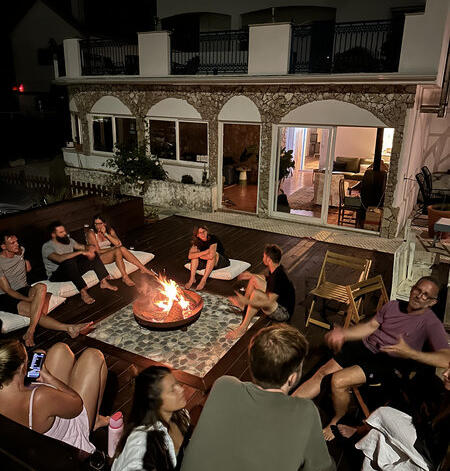
Final ThoughtsIf you're thinking about learning to surf but still feel unsure, my advice is simple: book the surf camp.You'll learn the fundamentals from experienced instructors, gain confidence in the ocean and improve much faster than you would on your own.But more importantly, you'll become part of a community.For me, that's what made the biggest difference. I arrived hoping to learn a new sport and left with unforgettable memories, new friends and a passion that completely changed the way I travel.A good surf camp isn't just about surfing. It's about the people you meet, the confidence you build and the feeling of catching waves together for the very first time.
Surf Camp vs Surf Lessons: What's Better for Beginners?
If you're thinking about learning to surf for the first time, you have probably come across two main options: booking a few surf lessons or joining a surf camp.Both can be a great way to get into surfing, but they offer very different experiences.I've tried surfing through a surf camp myself, and for complete beginners, I personally think a surf camp or surf week offers a much better introduction to the sport. But that doesn't mean individual surf lessons aren't a good choice. It really depends on what you want from your trip.So, should you book surf lessons or a surf camp?
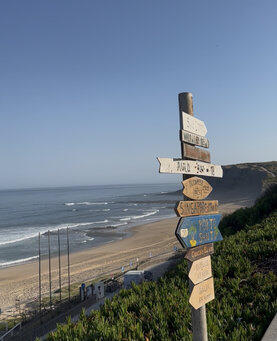
Surf Lessons: The Simple Way to Try SurfingIf you're on holiday and simply want to see what surfing is like, individual surf lessons can be a great option.You can book one or two sessions, get a board and wetsuit, have an instructor show you the basics and spend a few hours in the ocean.This is perfect if you don't know whether surfing is something you'll actually enjoy yet.You don't have to commit to an entire week and can easily fit a lesson into a normal holiday itinerary.
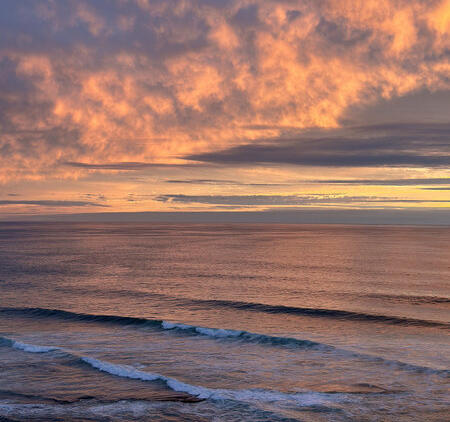
When Individual Surf Lessons Make More SenseI would choose individual surf lessons if I was only interested in trying surfing once or twice.Maybe you're spending a few days in Peniche, Ericeira or another coastal town and simply want to add surfing to your holiday.In that situation, a single lesson can be all you need.You get to experience catching your first waves without changing your entire trip around surfing.
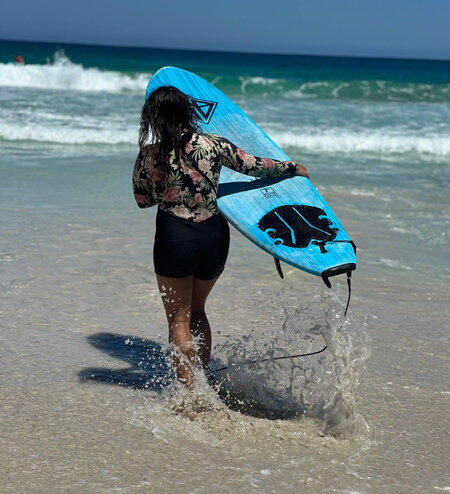
What Happens When You Join a Surf Camp?A surf camp is a completely different experience.Instead of showing up for one lesson and leaving again, you spend several days surrounded by surfing.You normally have regular surf lessons, equipment, coaching and plenty of time to practice what you've learned.But the biggest difference isn't actually the number of lessons.It's the fact that surfing becomes part of your entire week.
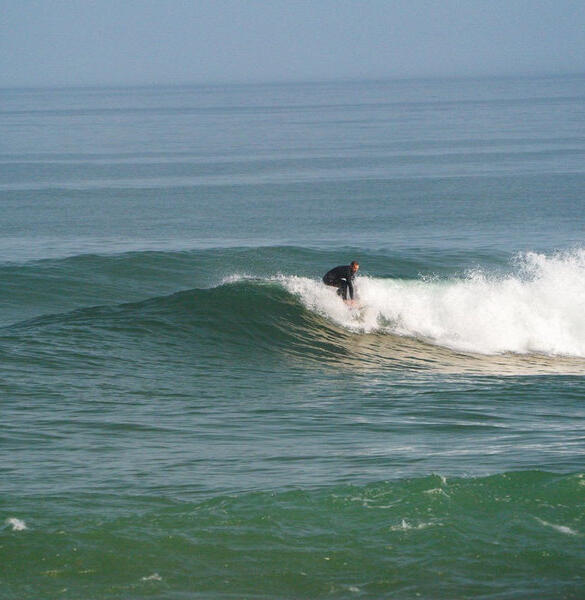
Why Daily Practice Makes a DifferenceSurfing is one of those sports where repetition matters enormously.You might learn how to stand up during your first lesson, but the next day you already have a better idea of where to sit, which waves to choose and when to start paddling.Then you go out again and try it.The more time you spend in the water, the more natural everything starts to feel.That's one of the biggest reasons I prefer a surf camp for complete beginners. You don't have to start from zero every time you enter the ocean.
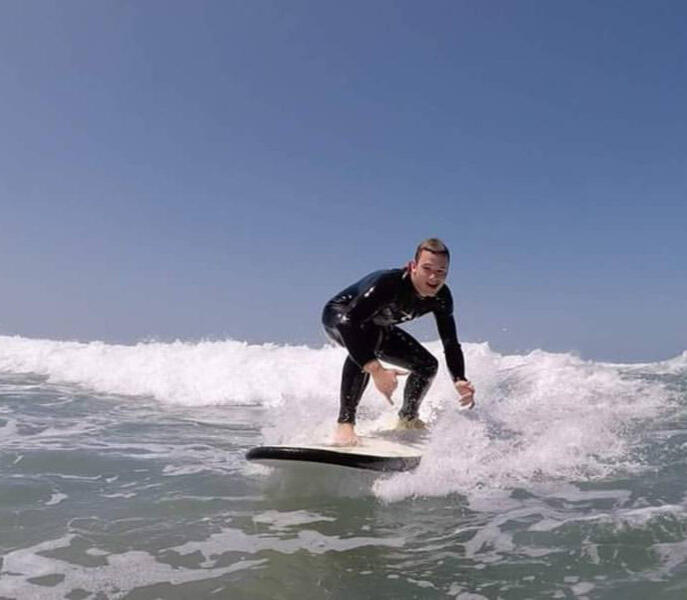
You Learn More Than Just How to Stand UpOne of the things I think is often overlooked when comparing surf lessons and surf camps is everything you learn outside the actual technique.When you spend several days surfing with experienced instructors, you start understanding how the ocean works.You learn about currents, waves, conditions and basic ocean safety.You also become familiar with surf etiquette and learn how to behave around other surfers.These things might not seem important when you're just trying to stand up on a board, but they become incredibly useful as soon as you start surfing on your own.
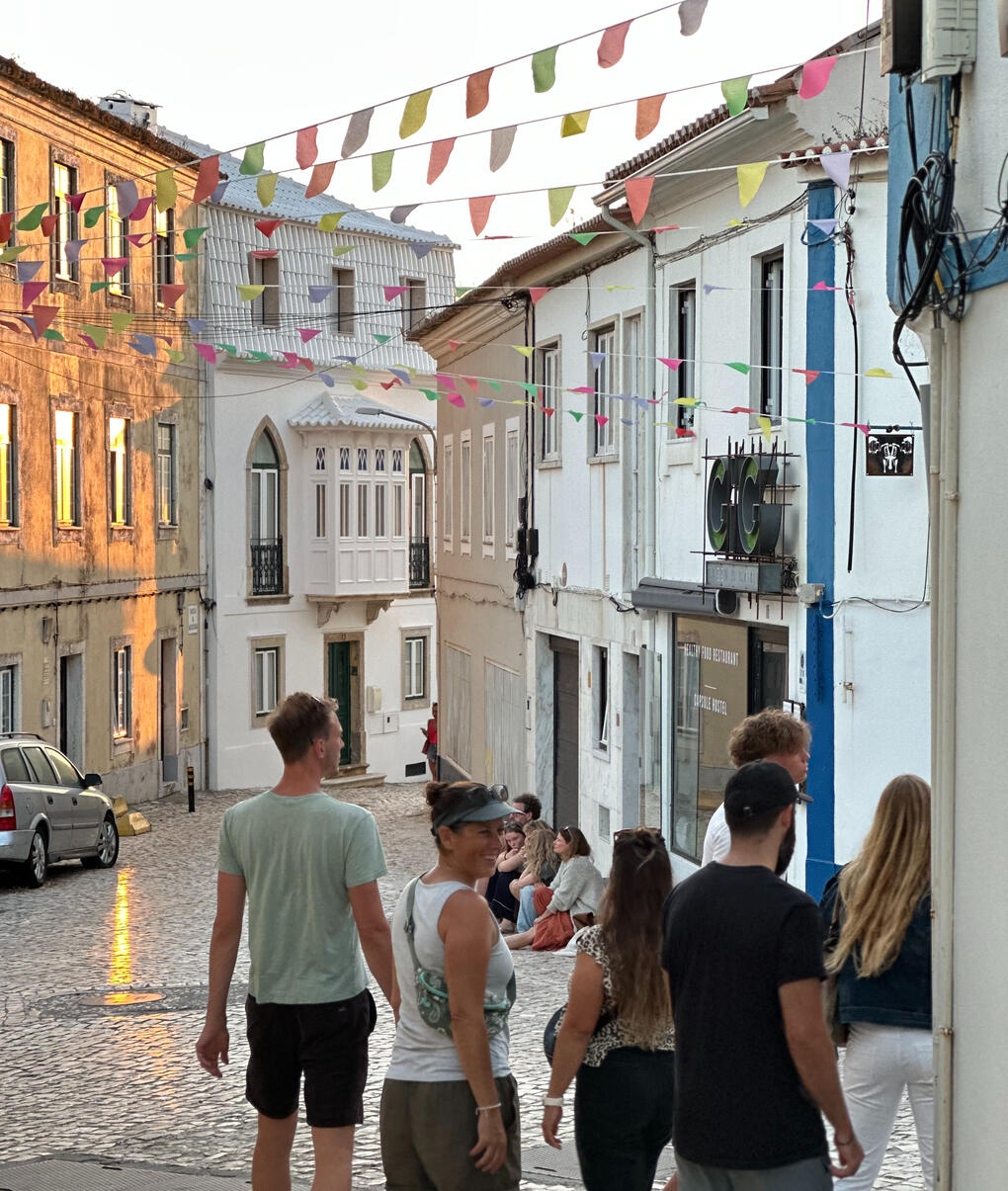
The Biggest Difference: The PeopleFor me, this is probably the biggest advantage of a surf camp.You're surrounded by people who are experiencing the same thing as you.Everyone is learning, everyone is falling, and everyone gets excited when someone catches a good wave.You end up helping each other, talking about the session afterwards and celebrating small improvements together.It's a completely different feeling from taking a lesson and then going back to your hotel.
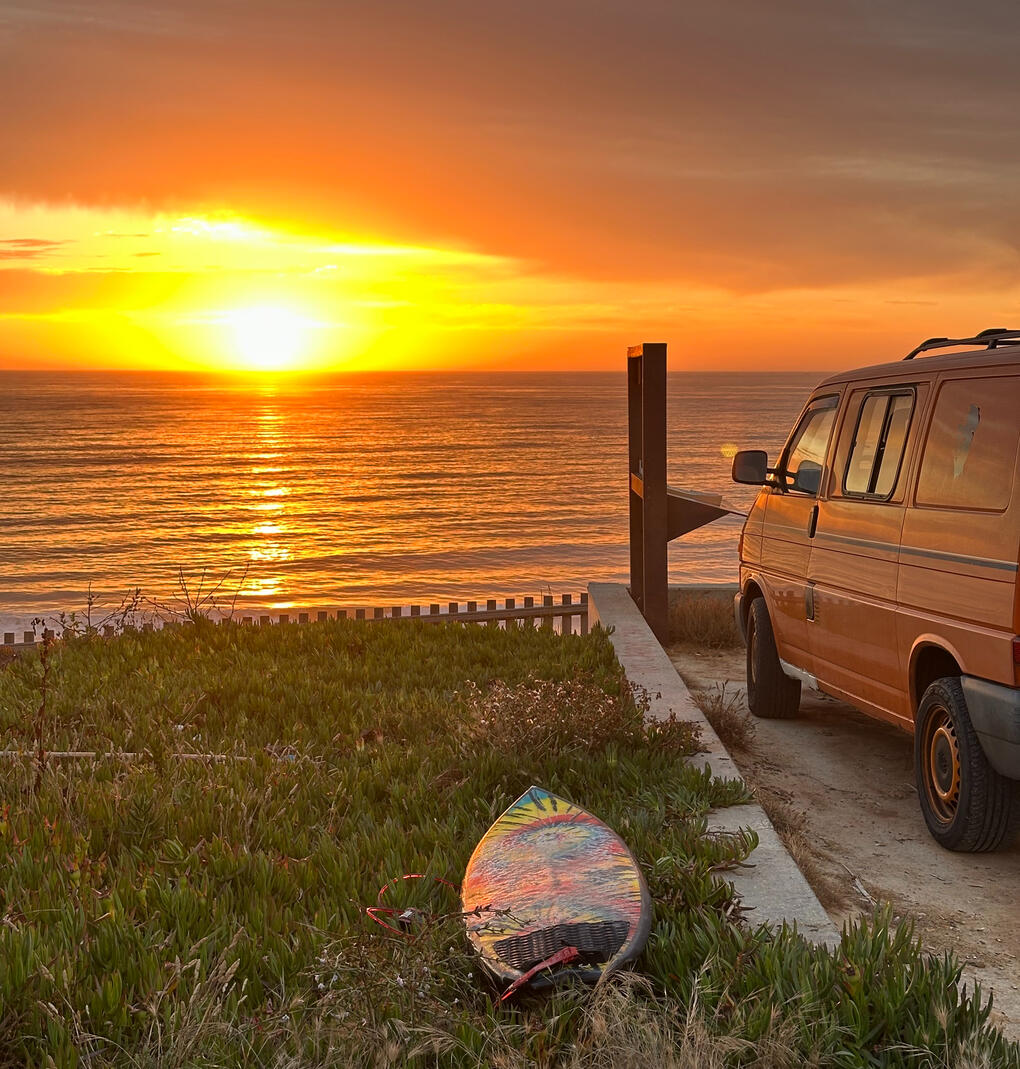
Surf Camps Are Great for Solo TravellersThis is also why I think surf camps are particularly good if you're travelling alone.You don't have to worry about finding people to spend time with.You already have a group of people around you who are interested in surfing, travelling and meeting others.Some people arrive knowing nobody and leave with friends they continue travelling with afterwards.That's a big part of what made my first surf camp such a memorable experience.
A Surf Camp Takes Away the OrganisationAnother advantage is that most of the difficult planning is already done for you.Instead of searching for accommodation, finding a surf school, booking lessons, renting equipment and figuring out where to surf, everything is organised around the experience.You can simply arrive, meet the group and focus on enjoying your time in the water.For a first surf trip, I think that makes a huge difference.
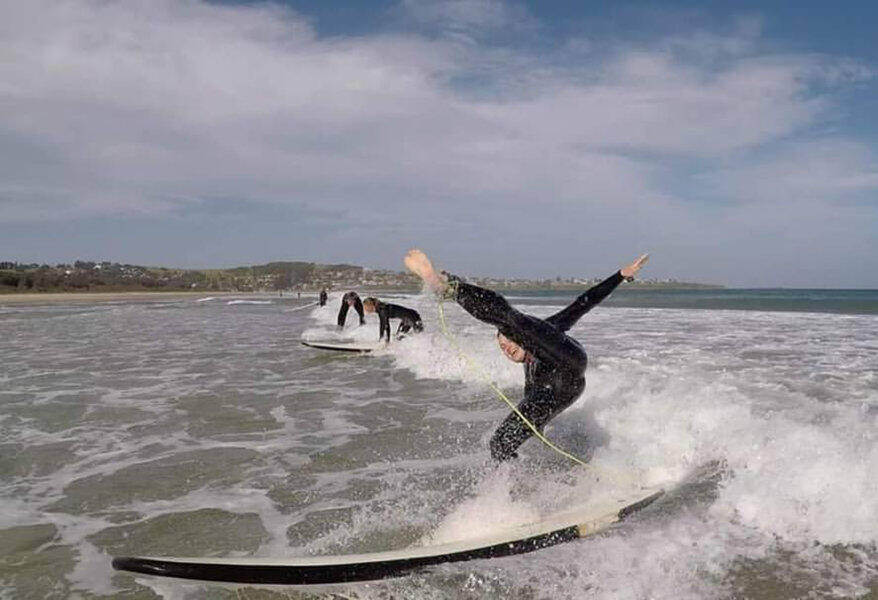
What About Progress?If your goal is to actually learn how to surf rather than simply try it once, I would always choose a surf camp.A week gives you repeated opportunities to practice the same skills.For someone who is already comfortable in the water or has a sporting background, it's not unusual to make surprisingly good progress within one week.You won't become an advanced surfer in seven days, but you can absolutely build the foundation for a new sport and leave feeling confident enough to continue surfing afterwards.
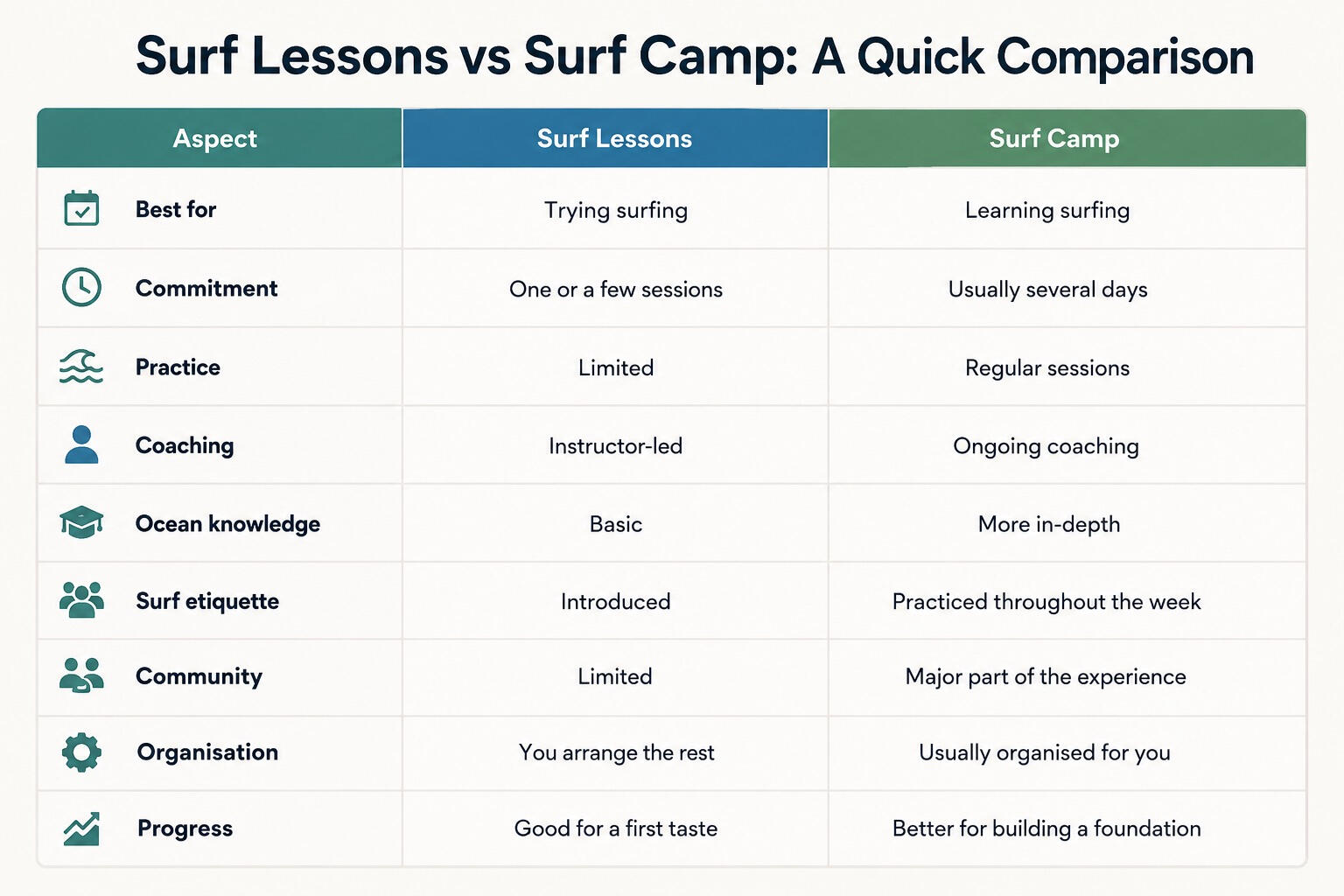
So, Which One Should You Choose?If you just want to try surfing while you're on holiday, book a surf lesson.It's easy, flexible and gives you a chance to find out whether you enjoy being in the ocean.But if you're a complete beginner and want to properly get into surfing, I would choose a surf camp.You get several days of practice, experienced coaching, ocean knowledge, equipment and, perhaps most importantly, a group of people to share the experience with.
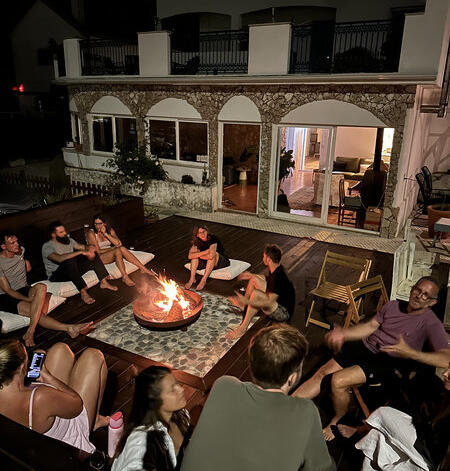
My Personal ChoiceI started surfing through a one-week surf camp myself, and I honestly can't imagine a better way for me to have started.I had an incredible time, met a lot of great people and quickly became obsessed with the sport and the whole surf lifestyle.That's why I see a surf week as much more than a series of surf lessons.It's an experience.You spend your days outside, meet people from different backgrounds, celebrate your first waves together and slowly become more comfortable in the ocean.For me, that's what makes a surf camp so special.
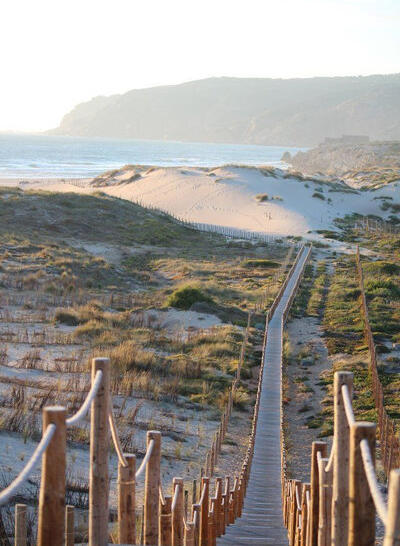
Why We Prefer Small Surf GroupsWhen we organise our own surf weeks in Peniche, one thing that's particularly important to us is keeping the groups small.We want everyone to receive personal coaching rather than simply being another person in a large group.Everyone starts at a different level, and good coaching should reflect that.Some people might be catching their first whitewater waves while someone else is already working towards their first green wave.Personal coaching allows instructors to focus on where each person is at that moment and help them progress from there.
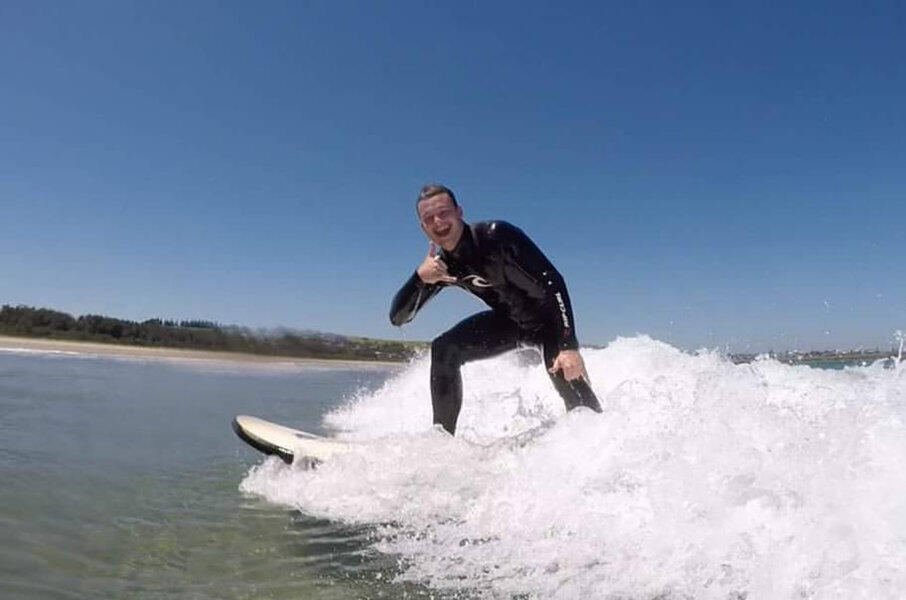
Final Answer: Surf Lessons or Surf Camp?There isn't one answer for everyone.Choose surf lessons if you simply want to try surfing.Choose a surf camp if you want to learn, improve and experience the surf lifestyle.For me, the second option is the clear winner for complete beginners.A surf camp gives you more time in the water, more opportunities to practice, more knowledge about the ocean and a community of people experiencing the same journey.And sometimes, what starts as one week of trying something new turns into a sport you keep coming back to for years.
Solo Travel in Portugal: How to Make Friends and Build Real Connections
Portugal is one of those places that seems almost perfect for solo travellers.There are beautiful beaches, surf towns, hostels, cafés, warm weather and people from all over the world. You can arrive without knowing anyone and usually find someone to talk to within a few hours.But there is a difference between meeting people while travelling and actually building meaningful connections.After travelling solo through different countries and spending a lot of time on the road, I've realised that the second one can be surprisingly difficult.
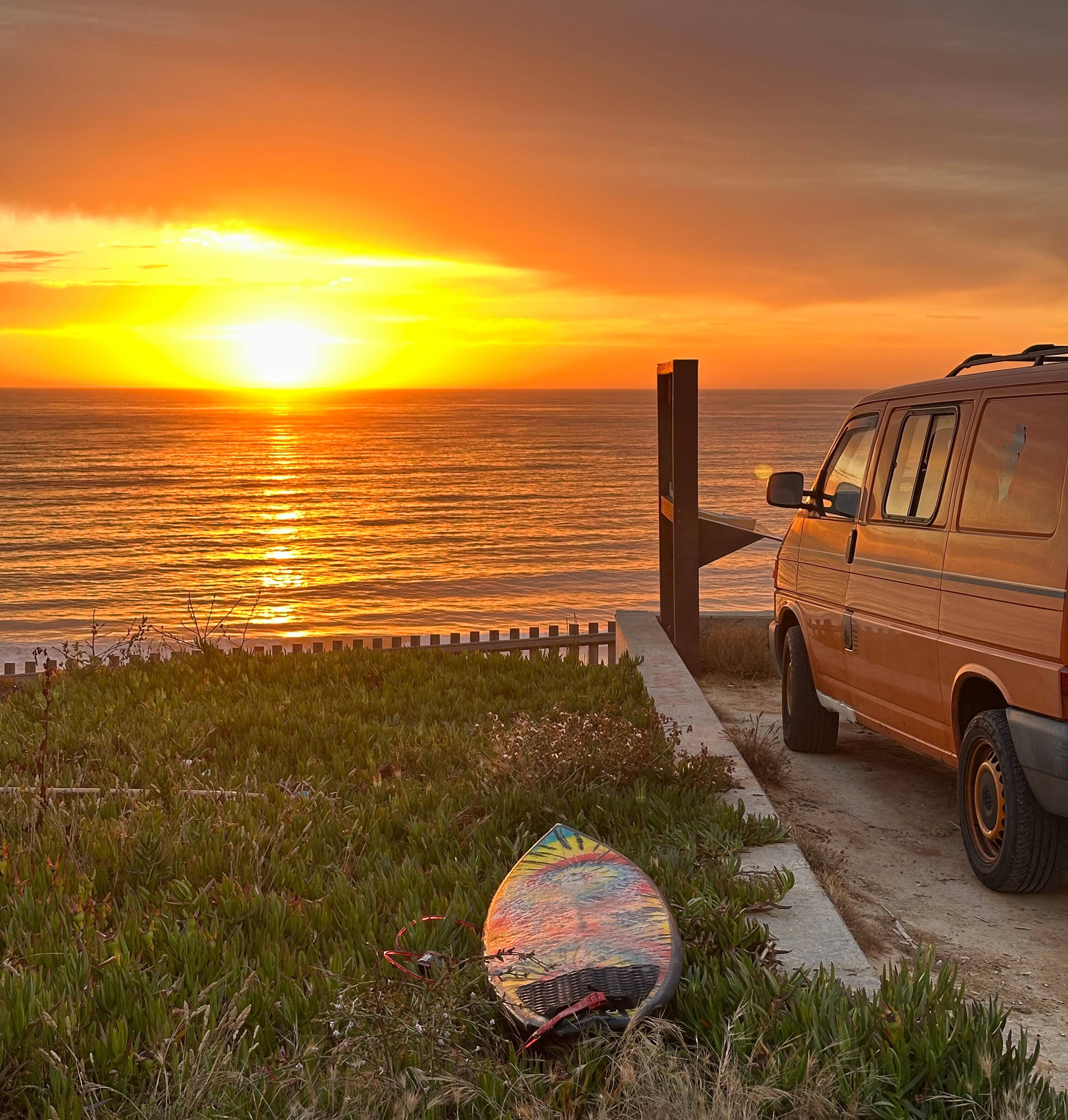
Meeting People While Travelling Is Easy. Keeping Them Around Is Not.I've travelled through countries like Australia, Spain, France and Portugal, often surfing along the way.I've met countless people during these trips. You share a few beers, go surfing together, explore a new place or spend a couple of days travelling in the same direction.Sometimes you really connect with someone.And then, three days later, they're going north and you're going south.You exchange Instagram accounts and say you'll definitely stay in touch.Sometimes you do.Most of the time, life simply continues.
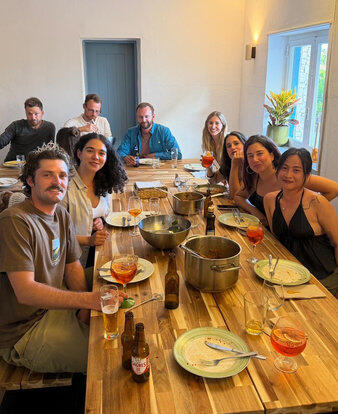
Why Hostels Don't Always Create Deep ConnectionsHostels are probably one of the easiest places to meet people while travelling.You sleep in the same room, sit around the same kitchen and often end up going out together.But there is one problem: people are constantly arriving and leaving.Someone you really like might be staying for two nights.You might spend an amazing evening together, and then they are already on their way to Lisbon, Porto or their next country.Hostels are great for meeting people.But if you're looking for deeper friendships, it can be difficult when everyone is constantly moving.
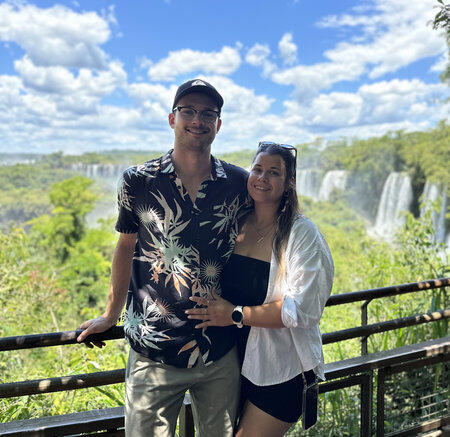
Travelling as a Couple Can Be Surprisingly Socially DifficultThis is something I've noticed not only when travelling alone, but also when travelling with my partner.You might think that travelling as a couple automatically makes meeting people easier because you already have someone with you.In reality, it can sometimes be the opposite.You already have your own little social bubble.To meet new people, you have to actively break out of it and find others who are also interested in connecting.You need some kind of common ground.Maybe you go surfing together, cook dinner, join an activity or simply happen to be staying in the same place for long enough.Without that shared connection, it's surprisingly easy to spend weeks travelling without making any lasting friendships.
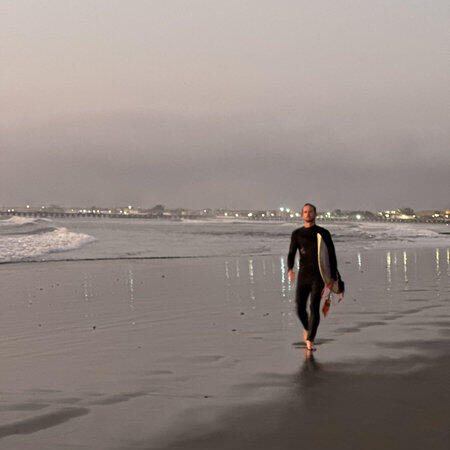
The Problem With Short-Term TravelI think this is one of the hidden downsides of travelling.You can see incredible places and meet hundreds of interesting people, but still sometimes feel like you're missing something.You are constantly moving.New city.New beach.New hostel.New people.Then you move again.The experience is exciting, but it doesn't always give you enough time to build something deeper.For me, this became especially obvious after spending more time in a coliving community in Ericeira.
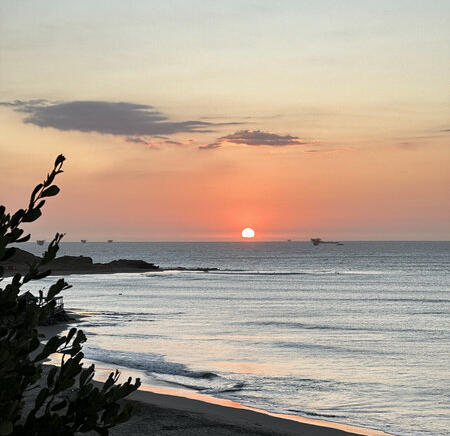
The Coliving Experience That Changed How I TravelWhen my girlfriend and I first arrived in Ericeira to volunteer at a coliving space, something immediately felt different.Everyone stayed for at least around ten days.That might not sound like a huge difference, but it completely changed the social dynamic.People weren't just passing through for one night.They knew they would see each other again tomorrow.And the day after that.You had time to have the same conversation twice, to make plans for next week and to actually get to know someone beyond the usual travel questions.
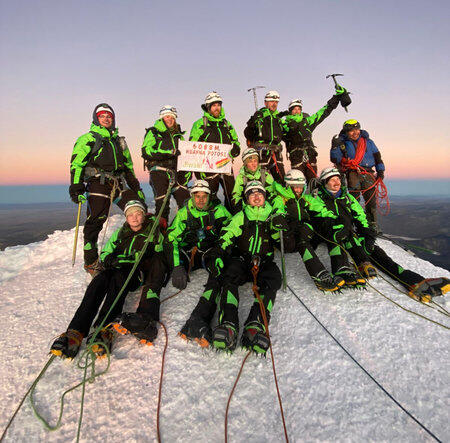
Everyone Actually Wanted to Meet PeopleThere was another important difference.People had actively chosen to stay in a community.They wanted to meet others.They wanted to share experiences.They wanted to do things together.That made socialising feel completely different from walking into a hostel kitchen and hoping someone wants to talk.You didn't have to wonder whether people were interested in meeting others.You already knew you had something in common.
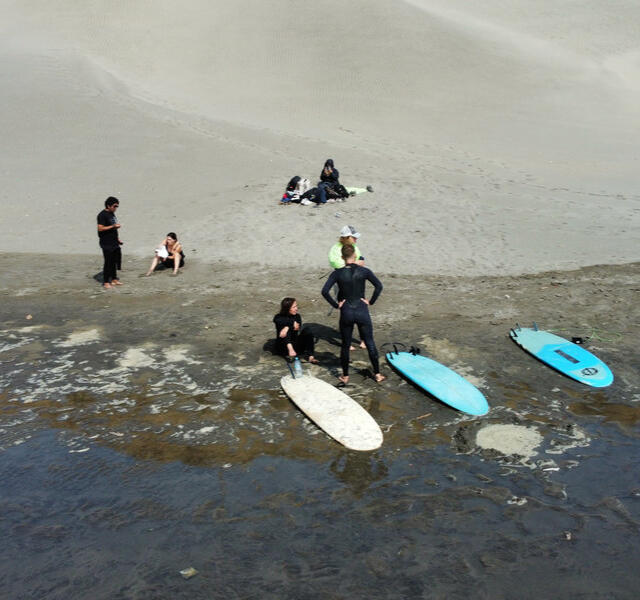
You Start Trying Things You Would Never Try AloneThis was probably my favourite part.People in the community were constantly introducing each other to new things.Someone would teach you how to cook something.Someone else would introduce you to a sport.Another person might share a skill, a business idea, a book or something completely random they were passionate about.And suddenly you're doing things you probably wouldn't have discovered on your own.It doesn't even have to be about sports.Sometimes it was cooking.Sometimes it was business or finance.Sometimes it was simply going somewhere new together.The community itself became a reason to try things.
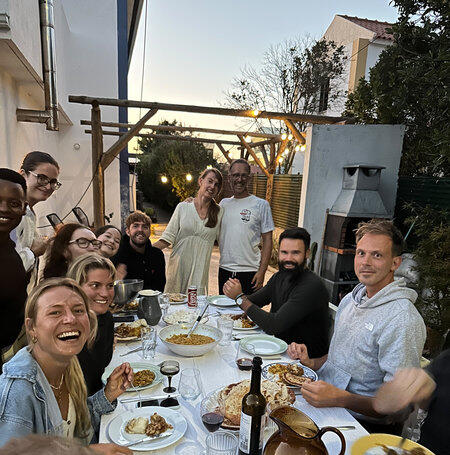
You Don't Need to Be a Sporty PersonThis is something I've noticed again and again.When you're surrounded by people who enjoy trying new things, you become much more willing to try them yourself.Someone who has never considered themselves particularly sporty might suddenly enjoy surfing.Someone who has never cooked for a group might end up organising dinner.Someone who normally wouldn't go hiking might join because everyone else is going.The activity almost becomes secondary.The group makes you want to participate.And I think there is something really powerful about that.
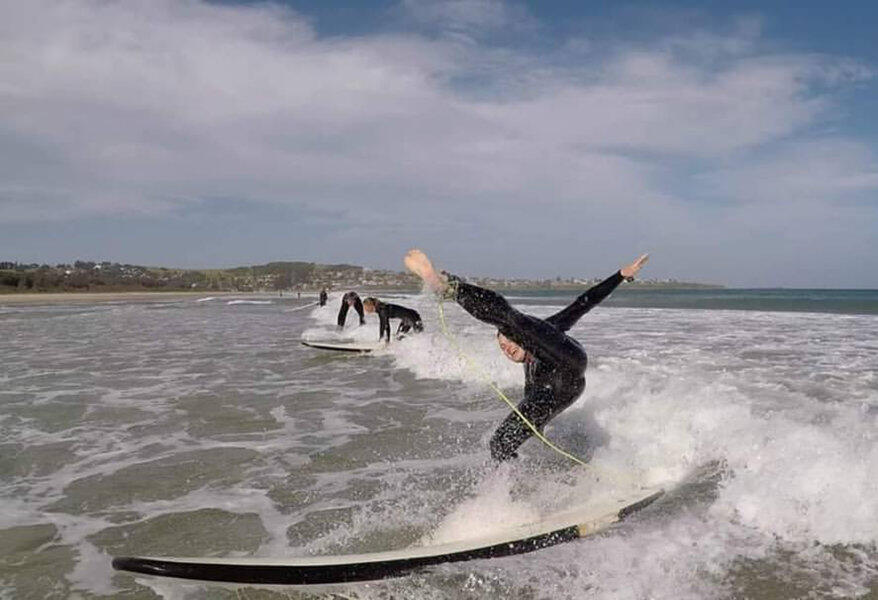
Why Shared Activities Help People ConnectI've realised that some of the best friendships don't start with a deep conversation.They start with doing something together.You struggle through your first surf session.You cook dinner together.You get lost somewhere.You laugh about something that happened during the day.You encourage someone when they finally catch a wave.These small experiences create shared memories.And shared memories give friendships somewhere to grow from.That's why I think activities can be such a powerful way to meet people while travelling.
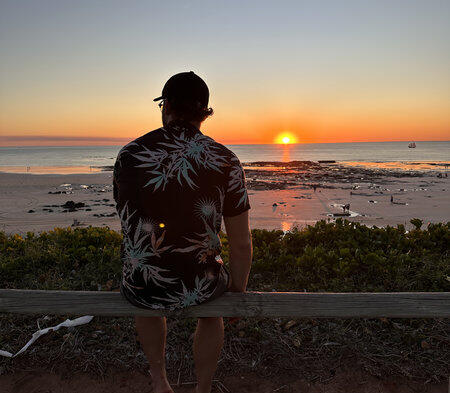
Portugal Is an Amazing Place for ThisPortugal has an incredible combination of things that make it easy to build this kind of experience.There is the ocean, surfing, hiking, good food, beautiful nature and a huge international community of travellers.Places like Ericeira and Peniche attract people from all over the world, and there are endless opportunities to try something new.But simply being in a popular travel destination isn't enough.You still need the right environment.You need people who actually want to connect.And you need enough time together for those connections to develop.
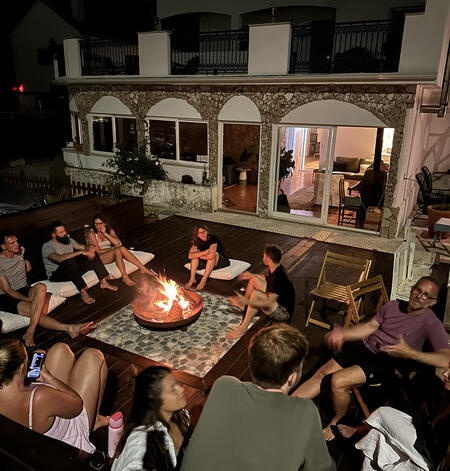
What I Was Missing From My Own TravelsI've travelled through Argentina, Australia, Bolivia, Peru, France, Spain and Portugal and surfed in many of those places.The travelling itself has been incredible.I've seen some of the most beautiful places I could imagine and had experiences I wouldn't trade for anything.But looking back, I often felt that something was missing.I had met a lot of people.What I didn't always have was a space where those relationships could become deeper.A place where you know you'll see the same people tomorrow.A group that actually wants to do things together.A shared interest that gives you a reason to spend time together.That's what I found in Ericeira.And it completely changed how I think about travelling.
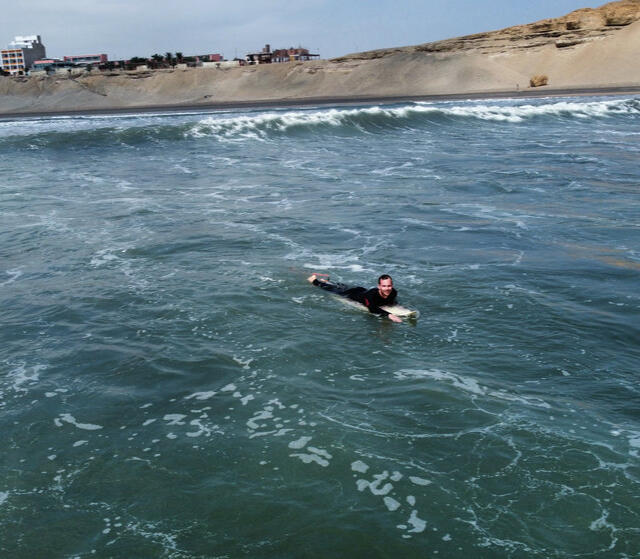
You Don't Always Know You're Looking for CommunityI think this is something a lot of people experience without really knowing how to describe it.You might think you want to travel.Or you want to surf.Or you want to escape your normal routine.Or you simply want to spend some time somewhere warm.But sometimes what you're actually looking for is people to share the experience with.You want to feel part of something.You want to meet people who are curious about the world.You want to try things you've never done before.And you want to have experiences that are better because you experienced them together.I didn't really understand that before I experienced it myself.
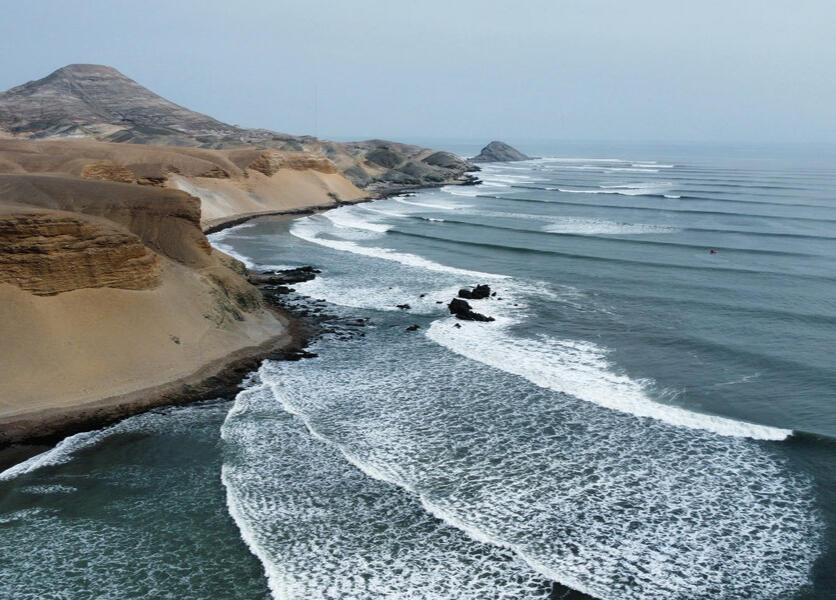
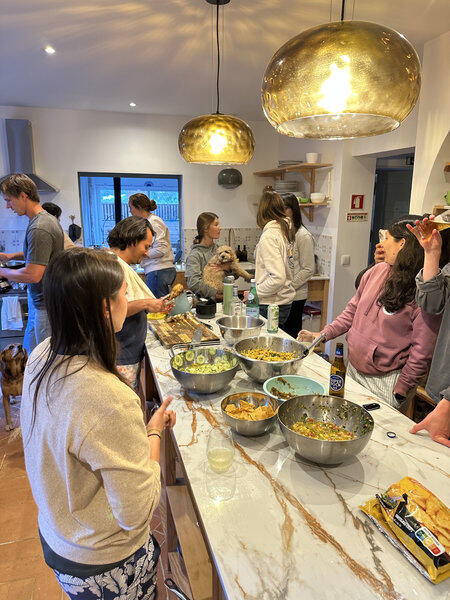
This Is the Kind of Community I Want to Build Through my SURF WEEKSThis experience in Ericeira is a big part of why I want my surf weeks in Peniche to be about more than just surf lessons.Of course, surfing is at the centre of the week.But I don't want people to arrive, take their lesson, go back to their room and disappear.I want the group to become a small community.Surf together.Eat together.Explore Peniche.Try new things.Celebrate someone's first wave.Help each other when things don't go perfectly.And hopefully leave with a few people you genuinely want to stay in touch with.
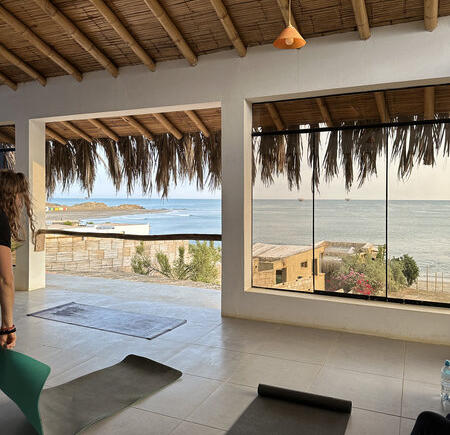
A Surf Week Can Be About Much More Than SurfingYou don't have to arrive as a surfer.You don't have to be particularly sporty.And you don't have to know anyone beforehand.The idea is to put a group of open-minded people together, give them something exciting to share and create enough time and space for something to develop naturally.Maybe you discover that you love surfing.Maybe you discover that you're actually much more adventurous than you thought.Maybe you learn something completely unrelated from someone in the group.Or maybe you simply meet a few people who become good friends.You never really know what will come from a week like that.And that's exactly what makes it exciting.
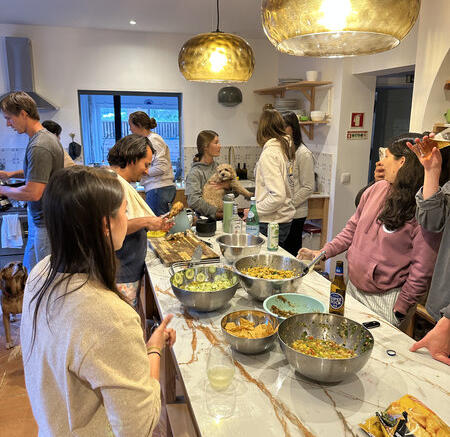
So, How Do You Actually Make Friends While Travelling in Portugal?There isn't a magic trick.But I think the most important thing is to put yourself in situations where you see the same people repeatedly and have something to do together.Stay somewhere for more than a couple of nights.Join a group activity.Take a surf course.Try a coliving space.Go to events.Cook with other people.Say yes when someone invites you somewhere.And most importantly, don't underestimate the value of staying somewhere long enough for relationships to develop.Meeting someone once is easy.Seeing them ten times is where friendship starts to happen.
Final Thoughts.Travelling has given me some incredible experiences and introduced me to people I would never have met otherwise.But over time, I've realised that the places I remember most aren't necessarily the ones with the most beautiful beaches or the most impressive views.They're the places where I found people I genuinely connected with.That's what I want to create with my Surf Weeks.A surf week where you come to learn something new, but leave with much more than better surfing.A place where people share skills, encourage each other, try things for the first time and create memories together.Because travelling is amazing on its own.But travelling with the right people can completely change the experience.